Lubumbashi, DR Congo
- 2,221,925 people
- 7 places to visit
- -11.6876, 27.5026
Places to Visit (7)
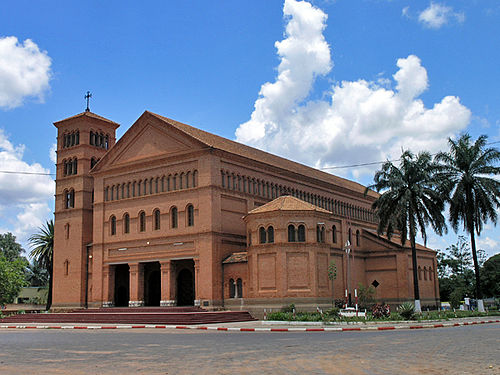
Lubumbashi, the second-largest city in the Democratic Republic of the Congo (DRC), serves as an essential economic and cultural hub in the southeastern region of the country. Located in the mineral-rich Katanga province, Lubumbashi is often referred to as the "Mining Capital of Africa" due to its proximity to significant deposits of copper, cobalt, and other valuable minerals. The city was founded in 1910 during the Belgian colonial era as a mining town and has since transformed into a vital center for mining companies and industries. Its strategic location near the Zambian border facilitates cross-border trade, making it a pivotal player in the regional economy.
The demographic composition of Lubumbashi has evolved over the years, with estimated population figures hovering around 1.5 million residents. This diversity is reflected in the various ethnic groups found in the city, including the Luba, Bemba, and Swahili-speaking communities. Lubumbashi's urban landscape is characterized by a mix of colonial-era architecture and modern developments, including educational institutions, hospitals, and markets that cater to the needs of its vibrant population. The city is also known for its cultural institutions, such as the National Museum of Lubumbashi, which showcases the rich heritage and history of the region, as well as various festivals that celebrate local traditions and arts.
Despite its economic potential, Lubumbashi faces several challenges, including infrastructure deficits and political instability affecting the DRC as a whole. Frequent power outages, inadequate transportation networks, and limited access to clean water present obstacles to sustainable urban development. Moreover, the city has been impacted by broader national issues, such as corruption and governance problems, which can hinder investment and economic growth. Nevertheless, Lubumbashi remains an essential city within the DRC, with ongoing efforts to improve living conditions, foster economic opportunities, and promote cultural identity, ensuring its place as a significant center in Central Africa.
Facts about Lubumbashi
- Lubumbashi is the second-largest city in the Democratic Republic of the Congo and is known as the capital of the Haut-Katanga province.
- The city was founded in 1910 as a mining town during the colonial era, primarily serving the copper and cobalt mining industry.
- Lubumbashi is home to the famous Kamoto Mine, which is one of the largest copper mining operations in the world.
- The city features the Lubumbashi Zoo, which is notable for its diverse collection of species native to the Congo region.
- Lubumbashi has a vibrant cultural scene and hosts the annual Lubumbashi Arts Festival, showcasing local and international artists.
- The city is known for its unique blend of colonial architecture and modern buildings, reflecting its history and development.
- Lubumbashi is served by the Luano International Airport (FBK), providing access to major cities in DR Congo and neighboring countries.
- The city is a significant educational center, home to several universities including the University of Lubumbashi, one of the oldest in the country.
- Lubumbashi boasts a large metropolitan area that incorporates several smaller towns, enhancing its urban diversity.
- The city's economy is heavily focused on mining, but it also has growing sectors in agriculture and commerce, distinguishing it from other cities reliant on different industries.