Lucena, Spain
- 42,248 people
- 12 places to visit
- 37.4129, -4.4961
Places to Visit (12)
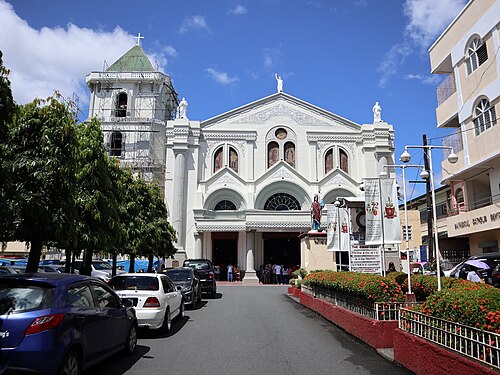
Lucena is a picturesque city located in the province of Córdoba, in the autonomous community of Andalusia, southern Spain. Nestled in the foothills of the Sierra de Kabilia, Lucena boasts a rich history dating back to the Roman era, when it was known as "Lusiana." Its strategic location near the historical trade routes contributed significantly to its development over the centuries. The city is characterized by its winding streets, traditional whitewashed houses, and vibrant local culture. Today, Lucena serves as an important agricultural hub, particularly known for its production of olives and various agricultural products, which have earned it the nickname "the city of the olive tree."
Lucena is renowned for its architectural heritage, showcasing a blend of styles that reflect its diverse historical influences, including Roman, Moorish, and Christian elements. Notable landmarks include the Church of San Mateo, a beautiful example of Gothic and Mudejar architecture, and the Palacio de los Condes de Santa Ana, which highlights Renaissance design. The city also features several museums, such as the Municipal Archaeological Museum, where visitors can explore its rich history through various artifacts from different epochs. Lucena hosts numerous festivals throughout the year, including the lively Feria de Lucena, which showcases the region’s traditions, music, and culinary delights.
Culturally, Lucena is known for its contributions to Spanish music, particularly flamenco, and its vibrant arts scene. The city is home to a strong educational infrastructure and has gained recognition for its efforts in promoting artistic expression among the youth. The surrounding natural beauty, coupled with a temperate climate, makes Lucena an appealing destination for both residents and visitors. With a population of around 40,000 people, Lucena continues to evolve while maintaining its unique charm and historical significance, making it an integral part of Andalusian heritage.
Facts about Lucena
- Lucena is known as the 'City of the Four Cultures' due to its rich history of Muslim, Christian, Jewish, and Gypsy influences.
- The city played a significant role in the 20th-century Spanish olive oil industry, being one of the top producers in the country.
- Lucena is home to the 16th-century Church of San Juan Bautista, which is renowned for its intricate Renaissance architecture.
- The Lucena Castle, dating back to the 10th century, provides a historical insight into the city's strategic importance during the Reconquista.
- The city celebrates its own local festival, 'Virgen de Araceli', in May, which includes traditional processions and cultural performances.
- Lucena has a unique culinary specialty called 'flamenquín', a dish made of meat wrapped in ham and fried, highlighting Andalusian flavors.
- The town is recognized for its production of high-quality ceramics, making it a hub for artisanal pottery in Andalusia.
- Lucena is known for its educational institutions, particularly in music, where the city fosters a strong tradition of musical education and festivals.
- The city's strategic location in the province of Córdoba places it at the crossroads of several major historical trade routes.
- Lucena produces a type of artisanal cheese known as 'queso de Lucena', made mainly from sheep's milk, contributing to its regional gastronomy.