Lucena, Philippines
- 228,758 people
- 14 places to visit
- 13.9414, 121.6234
Places to Visit (14)
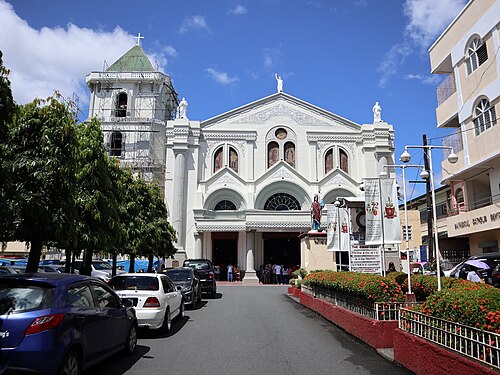
Lucena is a vibrant city located in the province of Quezon in the Philippines. It serves as the provincial capital and is strategically situated along the shores of the Tayabas Bay, about 130 kilometers southeast of Manila. Known for its rich cultural heritage, Lucena boasts a population of over 250,000 residents and covers an area of approximately 49.32 square kilometers. The city is a key economic hub in the region, benefiting from its proximity to major road networks and ports. It is well-connected by the Southern Tagalog Arterial Road (STAR Tollway), facilitating access to nearby provinces and contributing to its growth as a trading center.
Lucena is often referred to as the "Gateway to the Southern Tagalog Region," as it serves as a crucial junction for travelers heading to southern provinces like Batangas, Laguna, and Quezon. The city has a diverse economy that includes trade, tourism, agriculture, and manufacturing. Its local markets offer fresh produce and seafood, reflecting the agricultural richness of the surrounding areas. Additionally, Lucena is known for its vibrant festivals, such as the Niyog-Niyogan Festival, which celebrates the city’s coconut industry. Cultural landmarks and historic sites, including the St. Ferdinand Cathedral and the traditional Bahay na Bato houses, attract both local and foreign tourists. Lucena's unique blend of modern urban amenities and traditional Filipino culture makes it an essential destination in the Southern Luzon region. The warm hospitality of its residents and the city's picturesque surroundings contribute to its appeal, making Lucena not just a stopover but a promising place to explore and enjoy.
Facts about Lucena
- error