Lucera, Italy
- 32,222 people
- 13 places to visit
- 41.5088, 15.3341
Places to Visit (13)
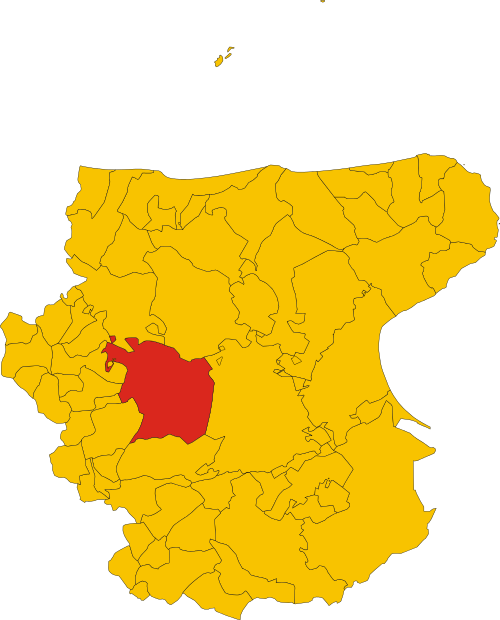
Lucera is a charming city located in the province of Foggia, within the Apulia region of southern Italy. Nestled on a hilltop, it boasts a rich history that dates back to ancient times, with influences from various cultures, including the Romans, Byzantines, and the Normans. The city's strategic position has made it an important center throughout different periods of its history. Lucera was originally established by the Daunians and later became a Roman settlement known as "Luceria." Its historical significance is highlighted by several architectural gems, including the imposing Swabian Castle, built in the 13th century by Frederick II. This castle, with its distinctively robust design, offers panoramic views of the surrounding countryside and serves as a testament to the city's medieval past.
In addition to its historical landmarks, Lucera is known for its vibrant local culture and traditions. The city features beautiful churches, such as the Cathedral of Santa Maria Assunta, which showcases an impressive blend of Romanesque and Gothic architectural styles. Local festivals play a crucial role in community life, with the Feast of San Francesco, celebrated in early October, being particularly noteworthy. The city is also home to ancient ruins and archaeological sites, such as the remnants of the Roman amphitheater, further illustrating its historical depth. The agricultural landscape surrounding Lucera contributes to its economy, with products like olive oil and wine being significant exports. As a part of the larger Capitanata area, Lucera is also positioned near the Gargano National Park, attracting visitors interested in the natural beauty of the region.
Overall, Lucera is a city that seamlessly blends history, culture, and natural beauty, making it an intriguing destination for travelers seeking to explore the lesser-known gems of Italy. With its captivating sites and rich heritage, Lucera continues to offer a glimpse into the past while embracing the vibrancy of contemporary Italian life.
Facts about Lucera
- Lucera is known for its imposing medieval castle, the Castello di Lucera, which was built by the Swabians in the 13th century and offers panoramic views of the surrounding landscape.
- The city played a significant role during the Angevin and Aragonese periods, serving as a strategic military and administrative center in southern Italy.
- Lucera is home to the Romanesque-style Cathedral of Santa Maria Assunta, which dates back to the 11th century and is celebrated for its intricate architectural details.
- The city has a unique historical connection to the medieval practice of cattle raiding, known as the 'Fiera di San Giacomo,' celebrating its pastoral heritage.
- Lucera is famous for its traditional arts and crafts, particularly in ceramics and weaving, which reflect the town’s rich cultural heritage.
- The town is notable for its rich agricultural produce, especially its high-quality olive oil, which is a staple of the local economy and cuisine.
- Lucera hosts the annual 'Palio di San Giacomo,' a traditional festival featuring parades, competitions, and historical reenactments, showcasing the city's vibrant culture.
- The old city center is home to numerous well-preserved medieval buildings and narrow winding streets, providing a glimpse into its historical significance.
- The area surrounding Lucera is known for its scenic landscapes, including the nearby Gargano National Park, which offers opportunities for outdoor activities.
- The local cuisine features unique dishes that combine both Mediterranean flavors and traditional Apulian ingredients, making it distinct within Italy.