Lucknow, India
- 2,472,011 people
- 18 places to visit
- 26.8467, 80.9462
Places to Visit (18)
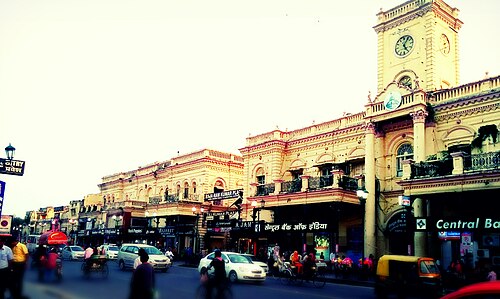
Lucknow, the capital city of the Indian state of Uttar Pradesh, is known for its rich history, cultural heritage, and architectural marvels. Situated on the banks of the Gomti River, it has been a center of political power and cultural confluence since the 18th century. The city was founded by the Nawabs of Awadh, who played a significant role in constructing its opulent structures, reflected in the magnificent Bara Imambara, a grand congregation hall built in 1784, and the Chota Imambara, known for its intricate decorations and beautiful chandeliers. Lucknow is often celebrated for its unique blend of Persian, Mughal, and British architectural styles, which is evident in landmarks like the Rumi Darwaza, a grand gateway that symbolizes the city’s glory and elegance.
Lucknow is also renowned for its vibrant culinary scene, offering a range of traditional dishes such as kebabs, biryanis, and various street foods that reflect the Awadhi style of cooking. The city’s bazaars, like Hazratganj, are bustling with activity, where visitors can shop for exquisite embroidery, fabrics, and handicrafts. Additionally, Lucknow has a diverse population that embodies a unique cultural amalgamation, which is celebrated in its festivals, music, and dance. The city is further enriched by institutions of education and research, including prominent universities and colleges, helping to foster a blend of traditional and modern knowledge. With its historical significance, culinary richness, and cultural diversity, Lucknow continues to attract tourists and scholars alike, making it a vital part of India’s heritage.
Facts about Lucknow
- Lucknow is known as the 'City of Nawabs' due to its rich history of Nawabi culture and administration.
- The city houses the Bara Imambara, an architectural marvel built in 1784 by Nawab Asaf-ud-Daula, which is famous for its central hall, believed to be one of the largest arched constructions without support beams.
- The Rumi Darwaza, a massive gateway built in 1784, is an iconic symbol of Lucknow and showcases a mix of Mughal and Awadhi architecture.
- Lucknow was the site of the 1857 uprising against British rule, and the memorial 'Shaheed Smarak' pays homage to the martyrs of this historic struggle.
- The cuisine of Lucknow, known as Awadhi cuisine, is famous for its kebabs, biryanis, and rich Mughlai flavors, differentiating it from other regional foods in India.
- The city has a unique heritage of Urdu poetry and literature, being the birthplace of many famous poets including Mirza Ghalib and Jigar Moradabadi.
- Lucknow is renowned for its sophisticated etiquette and traditions, referred to as 'Tehzeeb,' which emphasizes courtesy and hospitality.
- The city features the historic Residency complex, which served as the residence of the British Resident during the Awadh rule and played a significant role during the First War of Independence.
- The Nawabi culture is vividly expressed through the traditional dance forms like Kathak, which has its roots in this region and continues to be an integral part of Lucknow's cultural identity.
- Lucknow is home to several educational institutions, including the prestigious Indian Institute of Management Lucknow (IIM Lucknow), contributing to its status as an educational hub.