Ludhiāna, India
- 1,545,368 people
- 16 places to visit
- 30.901, 75.8573
Places to Visit (16)
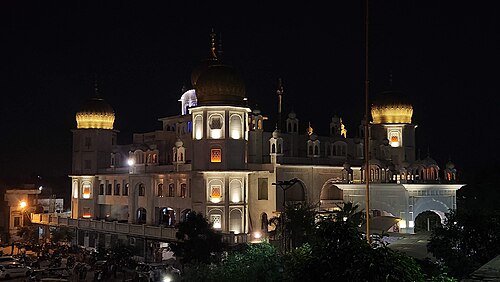
Ludhiana, a vibrant city situated in the Indian state of Punjab, is the most populous city in the region and is often referred to as the "Manchester of India" due to its booming textile and manufacturing industries. Founded in the 19th century, Ludhiana has evolved into a major commercial and industrial hub, contributing significantly to India's economy. The city is well-connected by road and rail, and the nearby Sahnewal Airport facilitates air travel. With a population exceeding 1 million, Ludhiana boasts a diverse demographic, featuring a mix of Punjabi culture, agriculture, and industrialization.
The economy of Ludhiana is predominantly driven by its textile industry, known for producing a range of products, including hosiery, wool, and cotton attire. The presence of numerous small and medium-sized enterprises has fueled job creation, making the city a vital center for both skilled and unskilled labor. Beyond textiles, Ludhiana is recognized for its bicycle manufacturing, contributing over 60% of India’s total bicycle production. Additionally, agriculture plays a pivotal role, with the fertile land surrounding the city supporting the cultivation of wheat, rice, and various fruits and vegetables. The city's markets, such as the popular Chaura Bazar, offer a blend of traditional and contemporary shopping experiences, attracting both locals and tourists alike.
Culturally, Ludhiana is rich in heritage, with a mix of modern and traditional art, cuisine, and festivals. Major landmarks include the Punjab Agricultural University, which is known for its research and innovation in agricultural sciences, and the Guru Nanak Dev Engineering College, a prominent institution for engineering education. The city celebrates significant festivals like Lohri and Baisakhi with great fervor, showcasing its deep-rooted traditions and communal harmony. With rapid urban development, improved infrastructure, and a focus on education and industry, Ludhiana is poised to continue its growth trajectory, enhancing its status as a key player in India's economic landscape.
Facts about Ludhiāna
- Ludhiana is known as the 'Manchester of India' due to its extensive textile industry and manufacturing prowess.
- The city is home to the Punjab Agricultural University, one of the leading agricultural universities in India, which has significantly advanced agricultural research and innovation in the region.
- Ludhiana hosts the largest bicycle manufacturing hub in India, producing a substantial portion of the country's bicycles.
- The city played a crucial role during the Green Revolution in India, leading to significant advancements in agricultural production and practices.
- Ludhiana is home to the historic Gurudwara Nanaksar, which attracts pilgrims and tourists alike with its beautiful architecture and spiritual significance.
- The city boasts the oldest and one of the largest leather markets in northern India, influencing the leather goods trade in the region.
- Ludhiana has a vibrant sports culture and is known for producing many national-level athletes, particularly in fields like wrestling and hockey.
- The annual 'Ludhiana Trade Fair' attracts thousands of visitors and showcases a variety of products, promoting local businesses and the economy.
- Ludhiana has a rich history dating back to the time of the Indus Valley Civilization, making it a city of archaeological significance.
- The city is famous for its traditional Punjabi cuisine, including dishes like 'sarson da saag' and 'makki di roti,' and has a lively food culture.