Ludwigsfelde, Germany
- 24,164 people
- 10 places to visit
- 52.3011, 13.2616
Places to Visit (10)
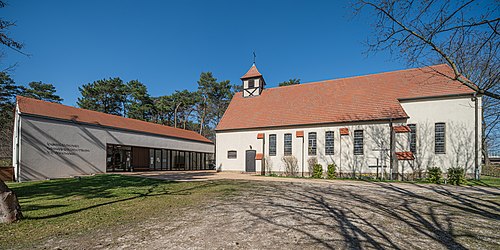
Ludwigsfelde is a town situated in the state of Brandenburg, Germany, approximately 20 kilometers south of Berlin. Its strategic location near the capital has made it an appealing residential area for commuters. The town covers an area of around 61 square kilometers and, as of 2021, has a population of approximately 24,000 residents. Ludwigsfelde enjoys a rich historical background, having been established in the late 19th century, primarily as a rail junction that contributed to its development. The town officially received city rights in 1951, further facilitating its growth and modernization.
Ludwigsfelde is characterized by a blend of urban and rural landscapes, offering diverse living environments ranging from suburban neighborhoods to green spaces and parks. The town features several amenities, including schools, shopping centers, and recreational facilities, catering to the needs of its residents. Ludwigsfelde's economy has historically been rooted in manufacturing, particularly in the automotive and construction sectors, with various businesses contributing to the local economy. The town also benefits from its proximity to Berlin, enhancing job opportunities and providing residents with easy access to a larger urban center for cultural, educational, and leisure activities.
Culturally, Ludwigsfelde boasts several attractions and events that reflect its community spirit. The town has a number of historical buildings, such as the St. Nicholas Church, which dates back to the 19th century, and various monuments dedicated to local history. Annual events and festivals, including traditional Christmas markets, foster a sense of community and attract visitors from surrounding areas. Overall, Ludwigsfelde offers a balanced lifestyle with its combination of residential comfort, access to larger urban facilities, and a commitment to preserving its historical heritage.
Facts about Ludwigsfelde
- Ludwigsfelde was founded in 1992 and is known for its relatively modern establishment compared to many other German towns that have much longer histories.
- The town is strategically located near Berlin, making it a popular residential area for those who work in the capital but prefer a quieter suburban environment.
- Ludwigsfelde is notable for its extensive green spaces, parks, and nature reserves, which provide recreational opportunities for residents and visitors.
- The city has a history tied to the GDR (German Democratic Republic), featuring industrial development during the communist era, particularly in the production of machinery and electronics.
- Ludwigsfelde is home to the historic 'Wasserturm' (Water Tower), a notable landmark constructed in the early 20th century, which symbolizes the city's historical infrastructure.
- The annual 'Ludwigsfelde Festival', celebrated every summer, showcases local culture, music, and cuisine, distinguishing it from other cities that may have more traditional festivals.
- The city includes several distinct residential areas, making it a model of modern urban planning in post-reunification Germany.
- Ludwigsfelde is known for its commitment to sustainability and urban development, engaging in various eco-friendly initiatives unlike many other towns in the region.
- The city's proximity to both the scenic landscapes of Brandenburg and the bustling urban life of Berlin allows for a unique blend of cultural experiences.
- Ludwigsfelde has a strong community spirit, evidenced by numerous local clubs, sports teams, and associations that are active in promoting social engagement and local traditions.