Ludwigshafen am Rhein, Germany
- 163,196 people
- 16 places to visit
- 49.4774, 8.4447
Places to Visit (16)
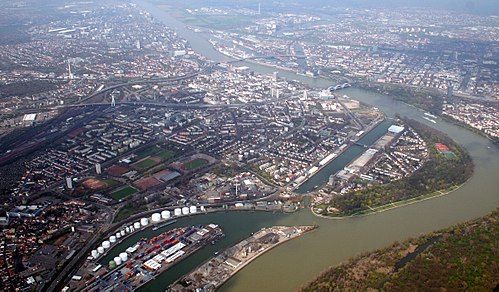
Ludwigshafen am Rhein is a significant city located in the southwestern part of Germany, within the state of Rhineland-Palatinate. Situated directly across the Rhine River from Mannheim, it is part of the Metropolitan Region of Rhine-Neckar. The city was founded in 1853, primarily as a center for the burgeoning chemical and industrial sectors, and has since developed into an important hub for modern industries. Notably, it is home to the headquarters of BASF, the world's largest chemical company, which plays a substantial role in the local economy. The population of Ludwigshafen is approximately 170,000 residents, making it one of the larger cities in the region.
Ludwigshafen boasts a diverse cultural landscape with several museums, theaters, and annual events that celebrate its rich heritage and modern urban life. The Wilhelm-Hack-Museum is notable for its collection of modern art, while the cultural scene is enhanced by the presence of the Theater im Pfalzbau, which hosts various performances and cultural events year-round. The city also features several parks and green spaces, offering residents and visitors spots for leisure and recreation. Transportation in Ludwigshafen is well-developed, with access to regional and national rail networks, as well as a thorough bus system that connects the city to surrounding areas. Additionally, the proximity to Mannheim allows for shared resources and facilities, fostering regional collaboration. Overall, Ludwigshafen am Rhein is characterized by its industrial strength, cultural vibrancy, and strategic location along the Rhine River, making it an integral part of Germany's economic and cultural landscape.
Facts about Ludwigshafen am Rhein
- Ludwigshafen am Rhein is known for being one of the main centers of the chemical industry in Germany, primarily due to the presence of BASF, the largest chemical producer in the world.
- The city was founded in 1853 and was part of the larger historical region of the Palatinate, shaped significantly by industrialization in the 19th century.
- Ludwigshafen is home to the largest port on the Rhine River, which plays a critical role in logistics and trade, distinct from many inland German cities.
- The city's skyline is characterized by modern architecture, including the iconic BASF headquarters, showcasing a contrast to many traditional German cities with their historical buildings.
- Ludwigshafen hosts the annual Rheinland-Pfalz-Tag, a state holiday festival celebrating regional culture, music, and food, drawing visitors from across Germany.
- The city's cultural offerings include the Wilhelm-Hack-Museum, which features modern art and is notable for being one of the few museums dedicated to contemporary art in the region.
- Ludwigshafen is directly across the Rhine from Mannheim, and together they form a significant urban area, sometimes referred to as the 'Metropolitan Region Rhein-Neckar'.
- The city has a strong connection to famous figures, such as the composer Hans Pfitzner and artist Wenzel Hablik, who were both prominently linked to Ludwigshafen.
- Ludwigshafen's location on the Rhine makes it an important transport hub, notably differencing it from cities located further inland without major waterway access.
- The city's commitment to sustainability and innovation is highlighted by its initiatives in green chemistry and efforts to reduce environmental impacts from industrial activities.