Lüneburg, Germany
- 71,260 people
- 17 places to visit
- 53.2479, 10.4161
Places to Visit (17)
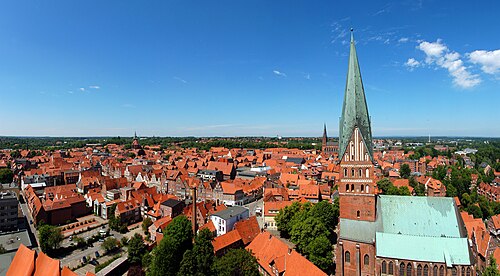
Lüneburg is a picturesque city located in Lower Saxony, northern Germany, approximately 30 kilometers southwest of Hamburg. With a rich history dating back over a thousand years, Lüneburg was originally founded as a settlement in the 9th century and grew to prominence as a center for salt production during the Middle Ages. The plentiful salt deposits in the region made it a significant trading hub, contributing to the wealth that allowed for the construction of its remarkable architectural heritage. Today, Lüneburg boasts well-preserved medieval buildings, including the ornate St. Nicholas Church and the historic Town Hall, which reflect its prosperous past.
In modern times, Lüneburg has embraced its historical identity while developing a vibrant cultural scene. The city is home to a diverse array of shops, restaurants, and an active arts community, with events such as the annual Lüneburg Christmas Market attracting visitors from afar. The presence of the Leuphana University of Lüneburg has also invigorated the city, attracting a youthful population and fostering innovation and research. Lüneburg is well-connected to Hamburg and other nearby cities through an efficient transportation network, making it an attractive destination for both tourists and students. The city's charming atmosphere, combined with its historical significance and contemporary vibrancy, makes Lüneburg a unique and appealing place to explore in northern Germany.
Facts about Lüneburg
- Lüneburg is renowned for its salt production, which dates back to the 9th century, earning it the nickname 'Salt City'.
- The historical town hall of Lüneburg is one of the oldest and most impressive examples of Gothic architecture in Germany, dating back to the 14th century.
- Lüneburg has a unique blend of medieval architecture mixed with Renaissance and Baroque styles, giving it a distinct character compared to many other German cities.
- The city is home to the Lüneburg Heath, a vast nature reserve famous for its heathland, unique flora, and fauna, and attracts visitors from around the world, especially during the blooming season.
- Lüneburg was a significant center of trade during the Hanseatic League, which shaped its economy and culture, distinguishing it from many other non-Hanseatic towns.
- The city features the 13th-century St. John's Church (Johanniskirche), known for its remarkable wooden ceiling and its organ, which is one of the largest in Northern Germany.
- Lüneburg's university, founded in 1778, is one of the oldest in Germany and offers a unique focus on interdisciplinary studies, specifically in fields related to sustainability.
- Every year, Lüneburg hosts the 'Lüneburger Stadtfest', a city festival that celebrates local culture, featuring music, food, and a vibrant market atmosphere.
- The Lüneburg Cemetery, established in the 19th century, is notable for its beautiful Art Nouveau architecture and the prominent individuals buried there, reflecting the city's historical significance.
- Lüneburg was one of the few cities in Germany that largely escaped destruction during World War II, allowing its medieval structures and charm to remain intact.