Lugo, Italy
- 21,273 people
- 13 places to visit
- 44.4218, 11.9117
Places to Visit (13)
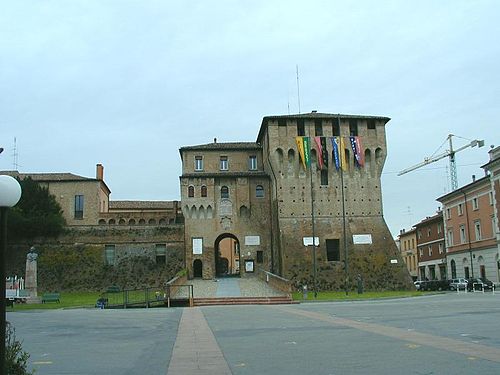
Lugo is a charming town located in the Emilia-Romagna region of Italy, specifically in the province of Ravenna. With a population of around 33,000 residents, Lugo is known for its rich history, picturesque landscapes, and vibrant cultural scene. Positioned near the banks of the Canal dei Mulini, the town is strategically located about 30 kilometers east of Bologna and 20 kilometers from Ravenna, making it easily accessible and a gateway to some of Italy's most treasured destinations. Lugo's origins date back to Roman times, and the remnants of its historical significance can still be seen throughout the town.
One of Lugo's most notable landmarks is the 16th-century Basilica of San Lorenzo, which showcases beautiful architecture and stunning artworks. The town is also renowned for its annual events, such as the famous “Sagra di San Giacomo,” a traditional festival that attracts visitors with its lively parades and local delicacies, celebrating its patron saint every year in July. Additionally, Lugo has a strong agricultural tradition and is part of the fertile Po Valley, which contributes to its reputation for producing high-quality food products, including wines and olive oil. The town’s commitment to preserving its heritage while also embracing modernity is evident in its local cafes, boutiques, and art galleries, which create a welcoming atmosphere for both residents and tourists.
Lugo is also known for its network of fortified walls and well-preserved historical sites, offering insight into its medieval past. The town is surrounded by lush countryside, providing opportunities for outdoor activities and leisure. The combination of cultural heritage, community spirit, and natural beauty makes Lugo a hidden gem in Italy, offering a unique experience for anyone interested in exploring the heart of the Emilia-Romagna region. Whether visitors are drawn to its historical sites, local cuisine, or vibrant festivals, Lugo promises an authentic Italian experience that showcases the charm of small-town life amidst a backdrop of stunning landscapes and rich traditions.
Facts about Lugo
- Lugo is famous for its distinctive Renaissance architecture, particularly its well-preserved city walls, which are among the few remaining in Italy.
- The city is home to the Teatro Rossini, a historic theater that hosts various cultural events, including opera and concerts, named after the composer Gioachino Rossini, who was born nearby.
- Lugo celebrates the 'Festival of the White Truffle' every October, which showcases not only truffles but also local culinary delights, drawing food enthusiasts from all over Italy.
- The city has a unique historical significance as it was the birthplace of the notable artist and furniture designer, Giuseppe Maggiolini, known for his intricate craftsmanship.
- Lugo is the site of the ancient Roman settlement, known as 'Lucus', and has notable archaeological sites that highlight its historical importance during the Roman Empire.
- The town is unique for its network of canals, known as the 'Navigli', which were used for irrigation and trade, reflecting the region's agricultural heritage.
- In 1762, Lugo was the host of the famous 'Peace of Lugo', a significant political event related to the negotiations between various Italian states.
- Lugo is recognized for its annual horse fair, the 'Fiera di Lugo', which dates back to the 13th century and celebrates equestrian culture and livestock.
- The city features the stunning Basilica of San Francesco, which showcases exquisite Baroque architecture and holds significant religious importance to the local community.
- Lugo is an important hub for the production of 'Piadina', a traditional flatbread that is a staple in Emilia-Romagna cuisine, setting it apart from other Italian cities.