Luhansk, Ukraine
- 397,677 people
- 6 places to visit
- 48.5687, 39.3152
Places to Visit (6)
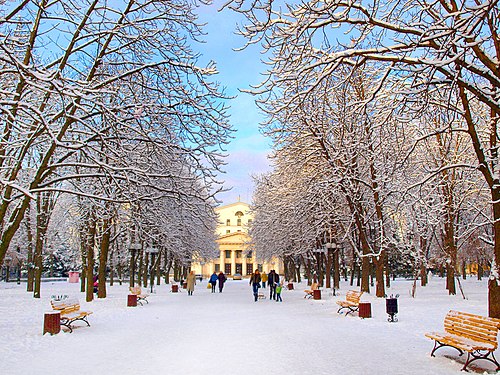
Luhansk, officially known as Luhansk Oblast, is a city located in eastern Ukraine, near the border with Russia. It serves as the administrative center of Luhansk Oblast and has a population of approximately 400,000 people, though this number has fluctuated significantly due to ongoing geopolitical conflicts. Historically, the region has been an industrial hub, particularly known for coal mining, heavy machinery, and metallurgy. Established in the 18th century, Luhansk underwent rapid development during the industrialization of the Soviet Union, which left a lasting impact on its economic infrastructure and demographic composition.
Since 2014, Luhansk has been at the center of a prolonged conflict arising from Ukraine's political turmoil and the Russian annexation of Crimea. Following the unrest, pro-Russian separatists declared the establishment of the self-proclaimed Luhansk People's Republic (LPR), leading to armed conflict between Ukrainian forces and separatist groupings. This situation has resulted in significant humanitarian challenges, including displacement of populations, widespread destruction, and a humanitarian crisis that continues to this day. Internationally recognized as part of Ukraine, the region's governance and stability remain contentious, leading to a complicated legal and diplomatic status.
While Luhansk retains its cultural and historical significance, the ongoing conflict has deeply affected its social and economic landscape. Daily life for the residents incorporates the challenges of living in a war-torn area, marked by uncertainty and diminished public services. Attempts at peace negotiations and ceasefires have often faltered, although various international organizations and local groups are actively working to provide relief and support to those affected by the conflict. As the situation evolves, Luhansk stands as a symbol of the broader struggles faced by Ukraine amid regional tensions and the quest for national sovereignty.
Facts about Luhansk
- Luhansk, formerly known as Voroshilovgrad, is named after the Soviet leader Kliment Voroshilov, reflecting its historical ties to the USSR.
- The city is located on the banks of the Luhan River and has been an important industrial center, particularly for coal mining and manufacturing.
- Luhansk is home to the Luhansk People's Republic, a self-proclaimed and unrecognized state, which emerged during the 2014 Ukraine crisis.
- One of the notable landmarks in Luhansk is the Luhansk Regional Museum, which showcases the region's history and culture, including exhibits on the local industry.
- The city has a rich sporting tradition, particularly in football, and is home to FC Zorya Luhansk, a club that competes in the Ukrainian Premier League.
- Luhansk has been significantly affected by the ongoing conflict in Eastern Ukraine, making it a focal point for humanitarian efforts and international attention.
- The ‘Luhansk House of Culture’ serves as a center for artistic performances and community events, emphasizing the city’s cultural landscape.
- Luhansk has a diverse population, which has influenced its cultural development and resulted in various festivals and public celebrations.
- The city's architecture features a mix of Soviet-era buildings and more modern designs, reflecting its historical evolution and adaptation.
- Luhansk's strategic location near the border with Russia has historically made it a significant hub for trade and transport in the region.