Łuków, Poland
- 30,465 people
- 10 places to visit
- 51.9272, 22.383
Places to Visit (10)
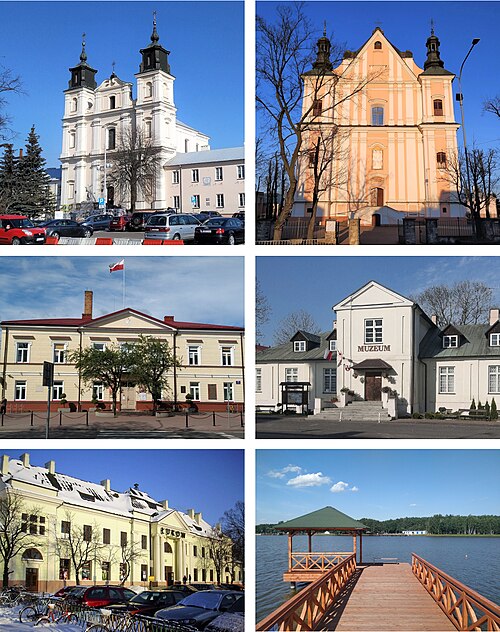
Łuków is a town located in eastern Poland, situated in the Lublin Voivodeship and functioning as the seat of Łuków County. Its geographical position places it approximately 115 kilometers northeast of Warsaw and 50 kilometers northwest of Lublin, the regional capital. This strategic location has made Łuków a vital communication and economic hub in the region. The town has a population of around 17,000 residents, reflecting a blend of cultures and traditions that characterize the eastern part of the country.
Historically, Łuków has roots dating back to the early Middle Ages. The settlement evolved over the centuries, receiving town rights in 1450. Throughout its history, the town has witnessed various events that have shaped its identity, including periods of prosperity during the Renaissance and challenges during both World Wars. In the 19th and 20th centuries, Łuków developed industrially, with agriculture also playing a significant role in its economy. The town features several notable landmarks, including the Church of St. Charles Borromeo, which dates back to the 18th century, and remnants of historical architecture that reflect its storied past.
Today, Łuków is known for its vibrant cultural scene and local events, such as fairs and festivals that celebrate the town's heritage and traditions. The town is also surrounded by picturesque countryside, offering opportunities for recreation and tourism. Local services, education, and healthcare facilities cater to the needs of its residents, enhancing the quality of life in Łuków. As part of Poland's growing economy, the town continues to adapt and evolve, making it an integral part of the Lublin Voivodeship while maintaining its unique cultural identity.
Facts about Łuków
- Łuków is home to the historic Church of St. Nicholas, a beautiful Gothic structure dating back to the 14th century, which is a significant cultural landmark in the region.
- The city is known for its unique annual event, the 'Łuków Fair', which showcases traditional handicrafts, local products, and regional cuisine, attracting visitors from across the country.
- Łuków has a rich Jewish heritage, with a notable Jewish community that thrived before World War II, evidenced by the remnants of Jewish cemeteries and historical accounts.
- The city's name, 'Łuków', is derived from the Polish word 'łuk', meaning 'arch,' a reference to the area's geographic features and the historical importance of arch bridges in the region.
- Łuków is strategically located along the river Krzna, which provided historical trade routes and continues to contribute to the region's economic activities.
- In the 19th century, Łuków gained prominence as a center for trade and crafts, particularly in textiles and grain, establishing its economic footprint in the region.
- The local region is known for its fertile lands, making Łuków an important agricultural hub in Poland, with production of grains, vegetables, and livestock.
- Łuków has a notable presence in Polish sports, particularly in basketball and volleyball, fostering local talent and hosting regional competitions.
- The city is surrounded by picturesque natural landscapes, with several parks and nature reserves nearby, making it a serene getaway for nature enthusiasts.
- Łuków plays a significant role in the cultural preservation of Polish traditions, hosting festivals that celebrate folk music, dance, and artisan crafts unique to the region.