Lunel, France
- 26,588 people
- 7 places to visit
- 43.6745, 4.1354
Places to Visit (7)
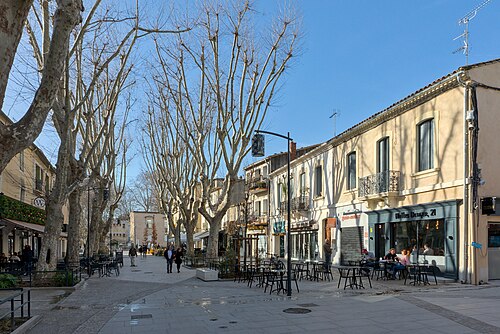
Lunel is a town located in the Occitanie region of southern France, situated in the department of Hérault. It lies approximately 20 kilometers east of Montpellier and is part of the greater urban area of the Montpellier metropolis. The town is strategically positioned near major transportation routes, including the A9 motorway, which enhances its accessibility. Historically, Lunel has been an important settlement since Roman times, indicated by archaeological findings that reveal the area's rich cultural heritage. The town's name is believed to derive from the Latin term "Lunalia," which points to its connections with ancient Roman festivals.
The population of Lunel currently stands at around 24,000 residents, reflecting a steady increase in recent years, driven by both urban development and its appeal as a residential area. The local economy is diverse, featuring sectors such as agriculture, retail, and light industry. Lunel is particularly known for its production of local wines, demonstrating the region's agricultural heritage. In addition, the town features a blend of historical architecture and modern amenities, contributing to its charm. Key landmarks in Lunel include the Church of Saint-Pierre, a significant religious site originally built in the 12th century, and well-preserved medieval structures that highlight the town’s historical significance.
Culturally, Lunel is vibrant and hosts various events throughout the year, promoting local traditions and community spirit. Festivals, markets, and artistic exhibitions illustrate the dynamic social life of the town, allowing both residents and visitors to engage with the local culture. The surrounding natural landscapes, including the nearby Petite Camargue Regional Nature Park, offer opportunities for outdoor activities such as hiking and birdwatching, making Lunel attractive to nature enthusiasts. The town’s combination of history, culture, and natural beauty positions it as a unique destination within the Occitanie region, appealing to those looking to explore the heritage and lifestyle of southern France.
Facts about Lunel
- Lunel is known for its rich history dating back to Roman times and features remnants of its ancient past, including the remains of a Roman aqueduct.
- The city is renowned for its unique production of 'Languedoc' wines, including the celebrated 'Vin de Lunel', which is typical of the region.
- Lunel is home to a distinctive annual event called 'La Fête de la Saint-Laurent', celebrating the city's patron saint with parades, music, and food.
- The town is famous for its bullfighting traditions, with the 'Course Camarguaise' being a local spectator sport involving bulls and skilled participants.
- Lunel's old town is characterized by its narrow streets and historical architecture, including the 12th-century Church of Saint-Étienne.
- The city has a multicultural aspect due to its diverse population and historical connections, particularly to the Jewish community in the 19th century.
- Lunel's strategic location between Montpellier and Nîmes makes it an important hub for transportation and trade in the Occitanie region.
- The local economy is significantly influenced by agriculture, especially the cultivation of fruits and vegetables, taking advantage of the Mediterranean climate.
- Lunel is often referred to as the 'Gateway to the Camargue', providing access to the unique ecosystems and natural beauty of the nearby regional park.
- The city has a vibrant cultural scene, hosting various festivals, art exhibits, and performances that highlight its rich heritage and community spirit.