Lunéville, France
- 21,582 people
- 10 places to visit
- 48.5922, 6.4923
Places to Visit (10)
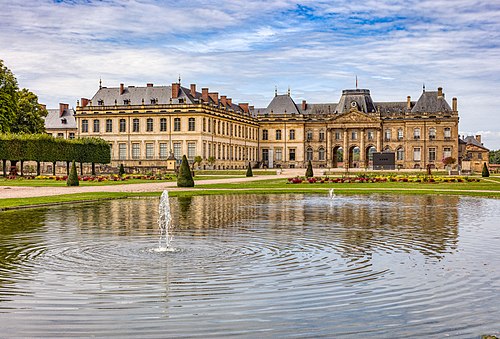
Lunéville is a commune located in the Meurthe-et-Moselle department in the Grand Est region of northeastern France. Known for its rich history and architectural heritage, Lunéville has its roots tracing back to the Roman period. The town gained prominence in the early 18th century when it became the residence of the Duke of Lorraine, Léopold de Lorraine. Under his rule, Lunéville flourished architecturally, leading to the construction of several notable buildings. Among these, the Château de Lunéville stands out as a magnificent example of Baroque architecture. Often referred to as the "Petit Versailles," the château boasts beautifully landscaped gardens, grand rooms, and is recognized as a key historical landmark.
The city is also renowned for its porcelain production, which began in the 18th century. The establishment of the Royal Porcelain Factory of Lunéville contributed significantly to its reputation, producing exquisite tableware and ornamental pieces that were highly sought after across Europe. This art form remains an integral part of the city's cultural identity, and the heritage of porcelain craftsmanship is celebrated in local museums and galleries. Lunéville's economy has diversified over the years; however, it still retains its historical charm with a blend of modern amenities. The town hosts various cultural events and festivals, reinforcing its vibrant community spirit. Nature lovers can enjoy the nearby forests and the Meurthe River, which provide ample opportunities for outdoor activities. Lunéville serves as both a picturesque historical destination and a thriving modern town, making it a unique place to visit and explore.
Facts about Lunéville
- Lunéville is known for its stunning Rocco-style architecture, particularly the Lunéville Château, which reflects its royal past and is often called the 'Versailles of Lorraine.'
- The city was the site of the Treaty of Lunéville in 1801, which concluded the war between France and Austria and played a significant role in European history.
- Lunéville is famous for its porcelain, particularly from the Lunéville porcelain factory founded in the 18th century, which produced exquisite tableware and decorative items.
- The city hosts the annual 'Festival of Baroque Music,' which attracts visitors and musicians from all over the world, showcasing its vibrant cultural scene.
- Lunéville has a rich military history, with the Château acting as a headquarters in various conflicts, including the Napoleonic Wars.
- The town features a unique 'Cuvée du Château,' a local wine that is symbolic of Lunéville's cultural heritage and is often highlighted in regional gastronomy.
- Lunéville is located at the crossroads of several key transport routes, making it a historical hub of trade and commerce in the Lorraine region.
- The city is home to the magnificent 'Parc de la Bête', which is a stunning public park offering beautiful landscapes and recreational activities, distinguishing itself from other urban parks in France.
- Lunéville's Fête de la Musique is celebrated every June, featuring local musicians and bringing together the community in a vibrant display of musical talent.
- The city has a unique mix of French and Germanic influences, evident in its architecture, cuisine, and festivals, reflecting its historical ties to both cultures.