Lupeni, Romania
- 30,488 people
- 6 places to visit
- 45.357, 23.2132
Places to Visit (6)
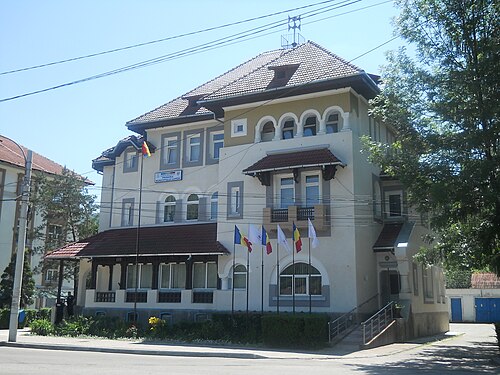
Lupeni is a city located in the Hunedoara County of Romania, nestled in the region of Transylvania. Positioned at the confluence of the Jiu Valley and the Parâng Mountains, Lupeni is characterized by its picturesque landscape, which combines natural beauty with a rich industrial heritage. The city is part of an area historically linked to the coal mining industry, with a history that dates back to the early 20th century when it became one of the significant coal producers in Romania. The development of the mining industry not only shaped the economic landscape but also influenced the demographics, as an influx of workers from various regions contributed to the growth of the community.
Today, Lupeni is recognized for its historical significance and cultural heritage. The city is home to several historical landmarks, such as the Church of St. Nicholas, which reflects the architectural styles of different periods. With a population of approximately 17,000 residents, Lupeni offers various amenities and services that cater to both locals and visitors. The surrounding natural environment provides opportunities for outdoor activities, including hiking and skiing in the nearby Parâng Mountain range. In recent years, the local economy has begun to diversify as traditional mining practices wane, with a focus on tourism and local businesses aiming to capitalize on the area's natural and cultural attractions. As Lupeni continues to evolve, it remains a symbol of the resilience and adaptability of communities in the face of changing economic landscapes.
Facts about Lupeni
- Lupeni is located in the Jiu Valley, an area historically known for its coal mining industry, which played a crucial role in Romania's industrial development during the 20th century.
- The city is home to the 'Miner's Museum', which showcases the mining heritage of the region and reflects the life and culture of miners in Lupeni.
- Lupeni was one of the first cities in Romania to benefit from electric lighting, which was introduced in the early 1900s, marking its industrial progress.
- The National Resistance Monument, located near Lupeni, commemorates the anti-communist resistance fighters from the Jiu Valley during the Communist regime.
- Lupeni hosts the annual 'Miner's Day' festival, celebrating the contributions of miners to the local economy and culture, providing a unique community gathering.
- The city has a diverse mix of architectural styles, with many buildings reflecting the historical influences from various periods, especially those related to its mining past.
- Lupeni is surrounded by the stunning scenery of the Retezat National Park, making it a gateway for outdoor enthusiasts who seek hiking, climbing, and nature exploration.
- In 2019, Lupeni became known for hosting the National Underground Mine Art Festival, where artists create works within old mining facilities, bridging culture and heritage.
- The city is well-known for its unique local traditional crafts, particularly in woodworking and textile production, which are distinct from other regions in Romania.
- Lupeni has been an important center for labor movements in Romania, frequently marked by significant strikes and protests during the 1980s against communist policies.