Luxor, Egypt
- 422,407 people
- 18 places to visit
- 25.6872, 32.6396
Places to Visit (18)
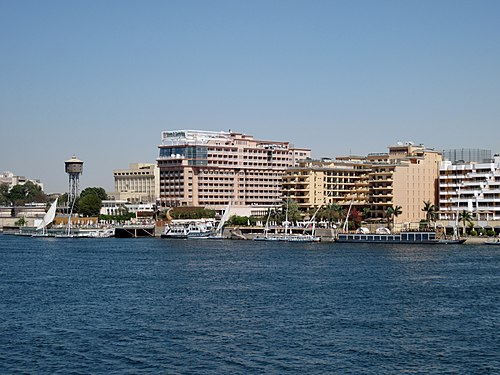
Luxor, often referred to as the "world's greatest open-air museum," is a city in Upper Egypt situated on the east bank of the Nile River. Known for its rich tapestry of history and stunning archaeological sites, Luxor was once the ancient city of Thebes, the capital of Egypt during the New Kingdom period. It boasts an impressive array of temples, tombs, and monuments, including the famous Karnak Temple, which is one of the largest religious complexes ever constructed, and the Luxor Temple, built during the reign of Amenhotep III. The city's strategic location along the Nile has not only influenced its historic significance but has also made it a focal point for tourism, drawing millions of visitors eager to explore its ancient wonders.
The Valley of the Kings, located on the west bank of the Nile, further highlights Luxor's historical importance. This necropolis served as the burial site for numerous pharaohs, including the renowned Tutankhamun. The valley is home to over 60 tombs, showcasing intricate wall paintings and hieroglyphs that provide invaluable insights into Ancient Egyptian culture and beliefs about the afterlife. Beyond its ancient sites, Luxor also boasts a bustling local community, vibrant markets, and traditional crafts that reflect the rich cultural heritage of Egypt. The city's modern amenities, coupled with its profound historical significance, make Luxor a unique destination where the past and present coexist, offering visitors a glimpse into one of the world’s most fascinating ancient civilizations. With its favorable climate and beautiful scenery along the Nile, Luxor continues to thrive as a pivotal center for cultural exchange and archaeological research, ensuring that its historical legacy remains alive for generations to come.
Facts about Luxor
- Luxor is often referred to as the world's greatest open-air museum due to its vast number of ancient monuments and temples.
- It is home to the Valley of the Kings, where many pharaohs, including Tutankhamun, were buried.
- The Karnak Temple Complex in Luxor is the largest ancient religious site in the world and took over 2,000 years to complete.
- Luxor hosts the annual Luxor African Film Festival, celebrating African cinema and showcasing diverse filmmakers.
- The city is built around the ancient city of Thebes, which was the capital of Egypt during the New Kingdom era.
- Luxor is renowned for the Temple of Luxor, which was built to honor the Theban triad of Amun, Mut, and Khonsu.
- The famous Colossi of Memnon, two monumental statues of Pharaoh Amenhotep III, are located near Luxor and are a major tourist attraction.
- Luxor’s history dates back over 4,000 years, making it one of the oldest inhabited cities in the world.
- The Luxor International Airport is a key gateway for tourists visiting Egypt's ancient sites, making the city a popular tourist destination.
- Every year, Luxor's temples and tombs attract millions of visitors, contributing significantly to Egypt's tourism economy.