Lydenburg, South Africa
- 21,695 people
- 7 places to visit
- -25.0957, 30.4554
Places to Visit (7)
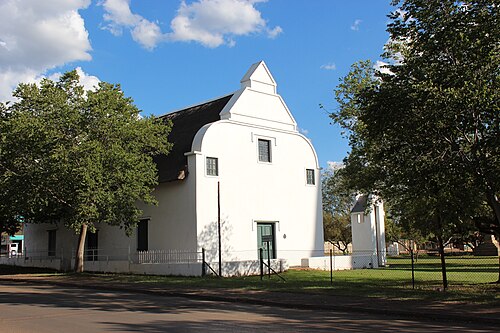
Lydenburg is a town located in the Mpumalanga province of South Africa, situated at the meeting point of the Lydenburg and Sterkspruit rivers. Founded in 1850 by a group of Voortrekkers, the town was initially established as a center for gold mining during the Gold Rush era of the late 19th century. Its name, which is derived from the Dutch words meaning "to lie down," reflects the area's tranquil landscape. Lydenburg served as an important political and commercial hub in the region, especially during the Boer Republic era. Today, it serves as a gateway to the scenic beauty of the surrounding areas, including the panoramic landscapes of the Drakensberg Mountains and the Wildlife areas of the Mpumalanga province.
Economically, Lydenburg is sustained by agriculture, mining, and tourism, with a strong focus on the cultivation of crops, livestock farming, and the extraction of minerals such as chrome and platinum. The town has also gained recognition for its production of ceramics and musical instruments, a legacy stemming from its rich cultural heritage. Besides its economic activities, Lydenburg is home to several historical and archaeological sites, including the well-known Lydenburg Heads—ancient terracotta figurines that date back to the Iron Age, which provide valuable insights into the lives of early inhabitants in the region. The area is also known for its proximity to various nature reserves, offering opportunities for outdoor activities such as hiking, birdwatching, and wildlife viewing, thereby attracting local and international tourists. With its blend of history, culture, and natural beauty, Lydenburg remains a notable destination in South Africa.
Facts about Lydenburg
- Lydenburg is known for its rich archaeological heritage, particularly the discovery of the Lydenburg Heads, which are some of the oldest known examples of African sculpture, dating back to around 500 AD.
- The town was originally established as a settlement for miners during the 1840s gold rush, making it one of the earliest mining towns in South Africa.
- Lydenburg was named after its location near the Lydenburg River, meaning 'the place of the weary' in Afrikaans, reflecting the town's history as a resting point for travelers and traders.
- Lydenburg has been recognized for its scenic beauty, nestled in the majestic Drakensberg mountains, and is often referred to as the 'Gateway to the Highlands'.
- The town is known for hand-crafted pottery and boasts a community of artisans that uphold traditional South African crafts.
- Lydenburg serves as the administrative hub of the Thaba Chweu Local Municipality, which oversees a region with abundant natural resources and tourism opportunities.
- The local environment features diverse wildlife and plant species, making it a popular destination for bird watching and eco-tourism activities.
- Lydenburg is close to the Blyde River Canyon, one of the largest canyons in the world, which draws tourists for its stunning views and hiking trails.
- The town hosts the annual 'Lydenburg Winter Festival', showcasing local culture, music, and crafts, providing a platform for community engagement and tourism.
- Lydenburg was historically a focal point during the Anglo-Zulu War and played a significant role in the regional conflicts of the 19th century.