Lynn MA, United States
- 92,457 people
- 19 places to visit
- 42.4668, -70.9495
Places to Visit (19)
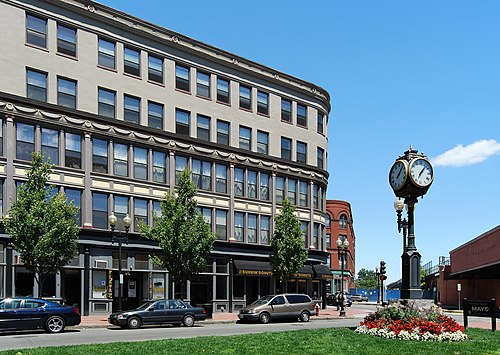
Lynn, Massachusetts, is a city located in Essex County, approximately 10 miles north of downtown Boston. Established in 1629, Lynn is one of the oldest cities in the United States, originally settled by the Puritans who named it after Lynn Regis in England. The area grew rapidly during the 19th century, particularly due to its booming shoe manufacturing industry, which earned it the nickname "Shoe City." At its peak, Lynn was home to hundreds of shoe factories and was noted for its significant contribution to the global shoe trade. Over the years, the city's industrial base diversified, encompassing various manufacturing sectors, but by the late 20th century, many of these industries faced decline, leading to economic challenges and demographic shifts.
In recent years, Lynn has undergone revitalization efforts aimed at restoring its economic vitality and cultural identity. The city boasts a vibrant arts scene, reflected in its numerous galleries, theaters, and the annual Lynn Museum/LynnArts celebration. Its diverse population is a tapestry of cultures, contributing to a rich community life marked by various festivals and events. Lynn's location along the Atlantic coast provides residents and visitors with access to beautiful beaches, including Lynn Shore Reservation, which offers recreational opportunities and stunning views of the coastline. Additionally, the city is well-connected by public transportation, the commuter rail to Boston, and major highways, making it an attractive place for those who work in the greater Boston area but prefer more affordable living options.
An important focal point in Lynn's landscape is the historic Lynn Common, a public park that has been a gathering place since the 19th century. The city also features notable architecture, with several structures on the National Register of Historic Places. Educational institutions, such as Lynn Classical High School and North Shore Community College, play pivotal roles in the community, contributing to the local economy and fostering educational opportunities. With ongoing redevelopment projects, a commitment to enhancing public spaces, and an emphasis on community engagement, Lynn continues to forge its path, reflecting both its rich historical roots and the dynamic changes of the present.
Facts about Lynn
- Lynn, Massachusetts, is known as the 'City of Sin' due to its history of having a vibrant nightlife and a reputation for vices in the late 19th and early 20th centuries.
- The city is home to the famous Lynn Woods Reservation, one of the largest municipal parks in the United States, featuring over 2,000 acres of natural beauty and hiking trails.
- Lynn has a rich industrial history, particularly known for being a center for shoe manufacturing in the 19th century, which earned it the nickname 'Shoe City'.
- The Lynn Memorial City Hall and Auditorium, completed in 1929, is an architectural landmark and hosts a variety of events, including concerts and local civic meetings.
- Lynn boasts a thriving arts scene, particularly highlighted by the LynnArts organization, which promotes local artists and cultural events throughout the year.
- The city is home to the Lynn Museum and Historical Society, which showcases Lynn's history from its founding in 1629 to present day, including its maritime history.
- Lynn is known for its diverse population and cultural festivals, such as the annual Lynn International Film Festival, celebrating filmmakers from around the world.
- The city's waterfront area has been revitalized in recent years, promoting outdoor activities and local businesses alongside the picturesque Lynn Harbor.
- Lynn had the first commercially successful shoe factories, with companies like the Lyceum and McCarthy Shoe Company leading the way in production.
- The city was the birthplace of several notable figures, including the acclaimed poet and playwright Lynn Nelson and actor Jack Kerouac, an influential figure in the Beat Generation.