Macapá, Brazil
- 512,902 people
- 7 places to visit
- 0.0405, -51.0561
Places to Visit (7)
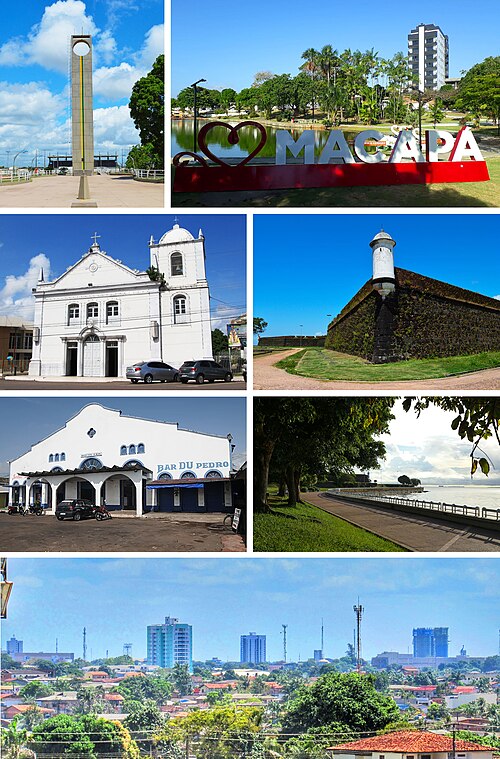
Macapá is the capital city of the state of Amapá in Brazil, situated on the northern banks of the Amazon River, near its delta. Founded on February 4, 1758, Macapá has evolved into a significant urban center, characterized by its vibrant culture and strategic geographical position. The city is unique as it is crossed by the Equator, making it one of the few cities in the world where the Equator passes through its urban area. This geographical feature leads to a warm tropical climate, with average temperatures ranging between 24°C to 30°C (75°F to 86°F) year-round, and a distinct wet and dry season.
Macapá is known for its rich cultural heritage, heavily influenced by Indigenous, African, and Portuguese elements. This diverse cultural tapestry can be observed in local festivals, music, and culinary traditions. One of the city's prominent landmarks is the Fortaleza de São José de Macapá, a historic fort built in the 18th century to protect the region from foreign invasions. The city also features modern attractions, such as the Estádio Zerão, a multi-purpose stadium that hosts various sporting events. Furthermore, Macapá serves as a gateway to the natural wonders of the Amazon rainforest, with eco-tourism opportunities such as river tours and explorations of the Biodiversity Corridor that connects the city to lush natural reserves. The local economy is primarily based on commerce, services, and agriculture, while the region's natural resources, including minerals and fish, also play a vital role. Macapá continues to grow as a key player in the development of the northern region of Brazil, blending its historical significance with modern progress.
Facts about Macapá
- Macapá is unique because it is the only capital city in Brazil that is traversed by the Equator, making it a geographic significance point.
- The Fort of São José de Macapá, built in the 18th century, is one of the few preserved historic forts in Brazil and reflects the colonial architecture of the time.
- Macapá has a museum called Museu Sacaca, dedicated to the folklore, culture, and biodiversity of the Amazon region, showcasing the unique heritage of the local people.
- Every year, Macapá hosts the 'Festival do Açaí,' celebrating the popular fruit that is central to local cuisine and economy, attracting tourists and locals alike.
- The city features the 'Marco Zero' monument, which marks the point where the Equatorial Line crosses, making it a popular tourist attraction.
- Macapá was founded in 1758 and played a significant role in the defense of the Amazon region against colonial invasions due to its strategic location.
- The city is known for its vibrant and lively cultural scene, including music genres like Carimbó and local dances influenced by indigenous and African traditions.
- Macapá's geographical position allows for some of the most stunning natural phenomena, such as the 'Equatorial Sunset,' which attracts photographers and tourists.
- The city is served by the Zumbi dos Palmares International Airport, offering regional flights that connect it to the rest of Brazil and making it crucial for access to the Amazon.
- Macapá's economy is primarily based on agriculture, fisheries, and tourism, distinguishing it from other cities that may be more industrialized.