Maceió, Brazil
- 1,031,597 people
- 14 places to visit
- -9.666, -35.7352
Places to Visit (14)
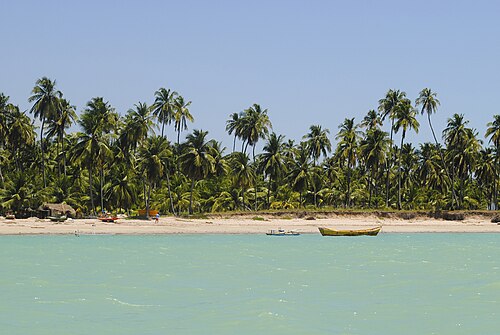
Maceió, the capital of the state of Alagoas in Brazil, is a vibrant coastal city known for its stunning beaches, rich culture, and warm climate. Located in the northeastern part of the country, Maceió sits along the Atlantic Ocean, offering picturesque views, crystal-clear waters, and a multitude of recreational activities. The city has a population of over 1 million residents, making it one of the largest urban centers in the region. Founded in 1815, Maceió has evolved from a small village into a bustling metropolis, becoming a significant economic and tourist hub in Brazil.
The city boasts numerous attractions that draw both domestic and international tourists. Its most famous beaches include Pajuçara, Ponta Verde, and Jatiúca, renowned for their natural beauty, vibrant nightlife, and opportunities for water sports such as snorkeling, kayaking, and stand-up paddleboarding. Maceió is also famous for its traditional handicrafts, particularly lacework, and the local cuisine, which features seafood dishes, corn-based snacks, and diverse tropical fruits. Cultural events, including festivals and music performances, are integral to the local scene and celebrate the city's Afro-Brazilian heritage and folklore.
Despite its thriving tourism industry, Maceió faces challenges common to many urban areas, such as economic inequality and infrastructure development. However, efforts to improve public services and promote sustainable tourism practices have been ongoing. The city's strategic location provides easy access to other tourist destinations in Alagoas, including the beautiful beaches of Maragogi and the historic town of Penedo. Overall, Maceió represents a blend of natural beauty, cultural richness, and urban dynamism, making it a unique destination in Brazil's northeastern landscape.
Facts about Maceió
- Maceió is known for its stunning urban beaches such as Pajuçara and Ponta Verde, which feature natural pools formed by coral reefs, making it a unique destination for beach lovers.
- The city is the capital of the state of Alagoas and has a rich history influenced by Portuguese colonization, with notable colonial architecture visible in its historic center.
- Maceió hosts the largest annual carnival celebration in Alagoas, featuring vibrant parades, traditional music, and various cultural events that attract visitors from all over Brazil.
- The city is famous for its production of artisanal lace, particularly the traditional 'Renda de Bilro', which has been recognized as a cultural heritage of the state.
- The Maceió waterfront is home to a variety of bars, restaurants, and entertainment options, creating a lively atmosphere that's distinct from other Brazilian beach cities.
- The Museum of Image and Sound of Alagoas showcases local culture and history through multimedia exhibitions, making it a unique cultural attraction in the city.
- Maceió is surrounded by natural beauty, including lagoons such as Mundaú and Manguaba, providing opportunities for ecotourism and water sports that set it apart from other coastal cities.
- The city has a rich culinary scene, famous for dishes such as 'sururu' (a local shellfish) and 'baião de dois' (a traditional rice and bean dish), highlighting the distinct tastes of the Northeastern region.
- Maceió was once a significant producer of sugarcane in Brazil, and remnants of its sugar plantation history can still be found in the form of historical landmarks and museums.
- The city is known for its unique ecological parks, such as the Parque Municipal de Maceió, which offer green spaces and recreational activities in an urban setting, contributing to its appeal as a destination for nature lovers.