Mâcon, France
- 35,484 people
- 10 places to visit
- 46.3069, 4.8287
Places to Visit (10)
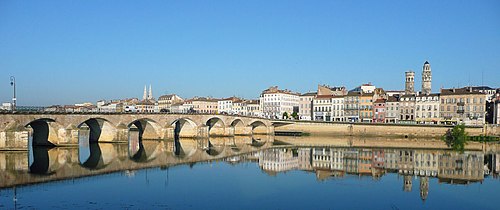
Mâcon is a picturesque commune located in the Saône-et-Loire department in the Burgundy region of eastern France. Nestled along the banks of the Saône River, it plays a crucial role as a cultural and economic center within the region. Founded in Roman times, Mâcon has a long history that is reflected in its architecture and urban layout. The city is known for its charming old town, which features narrow, winding streets and well-preserved historical buildings, including the Saint-Vincent Cathedral, a fine example of neo-Gothic architecture completed in the late 19th century. Mâcon's vibrant market, held several days a week, showcases the local produce, including the famous wines of the Burgundy region, particularly whites from nearby vineyards.
The city is not only steeped in history but also offers a range of cultural attractions. The Mâcon Museum houses an extensive collection of art and artifacts that highlight the region's heritage, including Gallo-Roman relics and works from the Renaissance period. Mâcon is also recognized for its role in the wine industry, being at the heart of one of France’s renowned wine-producing regions. The nearby Beaujolais and Mâconnais vineyards are famed for their high-quality wines, and the area attracts many wine tourists. In addition to wine, Mâcon boasts a culinary scene that reflects traditional Burgundian cuisine, with a variety of local dishes available at its restaurants and bistros.
Transportation in Mâcon is well-developed, with a strategic location that connects it to other major cities in France, including Lyon and Dijon, via the A6 motorway and the TGV rail network. This accessibility makes Mâcon a popular destination for both locals and tourists. Annual events, such as the Mâcon Wine Festival, celebrate the region's wine culture and draw visitors from across the nation, further enriching the city's cultural landscape. Mâcon’s blend of historical charm, cultural richness, and scenic beauty makes it an appealing destination for those exploring the heart of Burgundy.
Facts about Mâcon
- Mâcon, located in the Bourgogne-Franche-Comté region, is notably the birthplace of the famous French writer Alphonse de Lamartine, who is celebrated for his contributions to French literature.
- The city's iconic Saint Laurent Bridge, completed in 1826, is an architectural marvel that connects the town with the Saône River, symbolizing Mâcon's historical role as a river port.
- Mâcon is recognized for its wine production, particularly for being part of the renowned Burgundy wine region, and hosts an annual wine festival that showcases local viticulture.
- The Maison de la Culture de Mâcon is notable for its unique modernist architecture and serves as a cultural hub for events, exhibitions, and performances, distinguishing the city from others in the area.
- Mâcon features the 11th-century Cathédrale Saint-Vincent, which showcases a blend of Romanesque and Gothic architecture, marking its historical significance in the region.
- The city is home to the unique 'Vignoble de Mâcon', which offers wine tasting tours and is known for producing white wines from the Chardonnay grape, setting it apart from other wine-producing areas in France.
- In 2022, Mâcon was awarded the title of 'Ville d'Art et d'Histoire' (City of Art and History), recognizing its rich heritage and preservation of historical sites and buildings.
- Mâcon hosts the annual Mâcon Jazz Festival, attracting international artists and jazz enthusiasts, making it a unique cultural event compared to other French towns.
- The Mâconnais region is famous for its unique geological features including the Solutré rock formation, which is an important archaeological site and a symbol of the region's prehistoric history.
- Mâcon has a vibrant public market, the Marché de Mâcon, held every Saturday, featuring local produce and artisanal goods, reflecting the town's connection to local agriculture and culinary traditions.