Madīnat an Naşr, Egypt
- 668,413 people
- 6 places to visit
- 30.0511, 31.3656
Places to Visit (6)
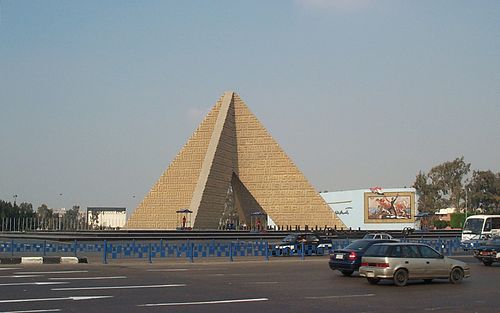
Madīnat an Naşr, often referred to as Nasr City, is a prominent urban district located in the northeastern part of Cairo, Egypt. Established in the mid-20th century, it was designed as a new residential area to accommodate the growing population of Cairo, especially after the influx of people from rural regions seeking employment and better living conditions. The district is part of the larger Cairo Governorate and is known for its planned layout, featuring wide streets, green spaces, and various amenities. Nasr City quickly gained popularity as a desirable place to live due to its modern infrastructure, which included schools, hospitals, shopping centers, and recreational areas.
Over the years, Madīnat an Naşr has evolved into a bustling urban center, home to a diverse population of approximately 600,000 residents. It is characterized by its mix of residential, commercial, and administrative facilities. The district is notable for several key landmarks, including the Cairo International Stadium, which has hosted numerous sporting events and concerts, and the City Stars complex, one of the largest shopping and entertainment centers in the region. Nasr City is also well-connected to other parts of Cairo through an extensive network of roads and public transportation options, making it an essential hub for commuters and visitors alike.
In addition to its residential and commercial aspects, Madīnat an Naşr plays a significant role in the cultural and educational landscape of Cairo. The district is home to numerous universities, institutes, and cultural centers, promoting higher education and community engagement. This blend of residential life, cultural richness, and commercial activity has helped solidify Nasr City’s status as one of the key urban areas in Egypt, contributing to its ongoing development and modernization. The district continues to attract investments and development projects, aiming to cater to the needs of its population while preserving the quality of life for its residents.
Facts about Madīnat an Naşr
- Madīnat an Naşr, often referred to simply as Nasr City, is a modern urban district in Cairo, Egypt, distinguished by its planned layout and rapid development since its establishment in the 1960s.
- The city was designed to accommodate the growing population of Cairo and is known for its wide streets, modern infrastructure, and residential complexes, setting it apart from many older, more densely populated areas in the capital.
- Nasr City hosts the International Cairo Conference Center, making it a hub for international conferences and events, which contributes to its reputation as a center for diplomacy and international business.
- The district is home to several universities, including the prestigious Ain Shams University, which attracts students from across the Arab world and beyond, influencing the educational landscape of Egypt.
- Madīnat an Naşr is noted for its large shopping centers, including City Stars, one of the largest malls in the Middle East, providing a modern retail experience that contrasts with traditional markets in other Egyptian cities.
- The city has witnessed significant investments in sports infrastructure, including the Cairo International Stadium, which has hosted numerous international sporting events, including the Africa Cup of Nations.
- Nasr City is known for its cultural diversity, with a mixture of local and expatriate communities, contributing to a vibrant urban culture that is distinct from other areas in Cairo.
- The district was developed under President Gamal Abdel Nasser's regime, reflecting the vision of modernity and progress that characterized the era's urban planning efforts.
- Madīnat an Naşr features a number of parks and green spaces, such as the Al-Azhar Park, offering residents and visitors a contrast to the busy urban environment typical of central Cairo.
- Historically, Nasr City symbolizes the shift in Egypt’s urban development policies in the mid-20th century, representing a departure from traditional urban structures towards more modern and organized cities.