Madiun, Indonesia
- 202,544 people
- 13 places to visit
- -7.6311, 111.53
Places to Visit (13)
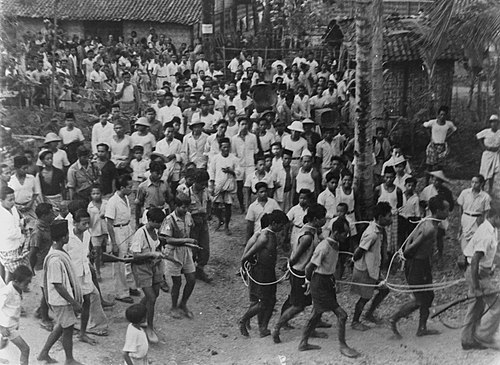
Madiun is a city located in East Java, Indonesia, known for its rich cultural history and strategic significance. The city lies approximately 169 kilometers southwest of Surabaya, the provincial capital, and serves as a vital trade and transportation hub in the region. With a population of around 200,000 people, Madiun reflects a blend of urban development and traditional Indonesian culture. The city is often recognized for its role in the agricultural industry, with rice, tobacco, and cashew nuts being some of the prominent crops cultivated in its surrounding areas.
Historically, Madiun played an important role during the Indonesian National Revolution, particularly in the struggle against colonial powers. This history is evident in various monuments and sites around the city that commemorate significant events and figures from that era. Madiun is also renowned for its culinary offerings, which feature a mix of Javanese flavors. Local specialties include "nasi pecel," a dish made of rice served with a variety of vegetable salads and peanut sauce, and "sate," skewered grilled meat. Beyond food, the city is famous for its batik, a traditional textile art form that showcases intricate designs and vibrant colors, reflecting the rich cultural heritage of Java.
Madiun boasts several attractions, including parks, historical sites, and vibrant markets. One notable site is the Madiun Grand Mosque, which showcases stunning architecture and serves as a center for the local Muslim community. The city also hosts various annual festivals that celebrate local traditions, arts, and crafts, further solidifying its cultural significance. With its strategic location, agricultural productivity, and rich cultural landscape, Madiun serves as a microcosm of Indonesian life, balancing modernity with tradition and offering visitors a glimpse into the heart of Java.
Facts about Madiun
- Madiun is known as the 'City of Djamoe,' highlighting its historical significance in the Indonesian herbal medicine industry, particularly the production of traditional herbal drinks.
- The city is famous for its unique 'Pecel Madiun,' a traditional salad made of mixed vegetables served with peanut sauce, which has distinct flavors that set it apart from similar dishes in other regions.
- Madiun hosts the annual Madiun Flower Festival, which showcases local culture and floral displays, drawing visitors from around the region to celebrate and appreciate the city's horticultural diversity.
- The Locomotive Park (Taman Kereta Api) in Madiun features historical locomotives and serves as a reminder of the city’s significance in Indonesia's railway history.
- Madiun is home to the Madiun Mayor's Office, which is a historic building showcasing Dutch colonial architecture, representing the city’s colonial past.
- The city is a regional center for education, with numerous schools and higher education institutions, including the Madiun State Polytechnic, which contributes to its reputation as an educational hub in East Java.
- Madiun plays a vital role in Indonesia's agricultural sector, particularly known for its rice and agricultural products, contributing significantly to the local and national economy.
- The city is renowned for its unique handwoven textiles, particularly 'Batik Madiun,' which features distinctive patterns and techniques that are different from other traditional Batik styles across Indonesia.
- Madiun has a rich history related to the Indonesian National Revolution, having been a site of significant events and battles during the fight for independence from Dutch colonial rule.
- The city is strategically located near the scenic Wilis Mountains, offering residents and visitors access to natural beauty, outdoor activities, and eco-tourism opportunities.