Madrid, Spain
- 3,255,944 people
- 19 places to visit
- 40.4168, -3.7038
Places to Visit (19)
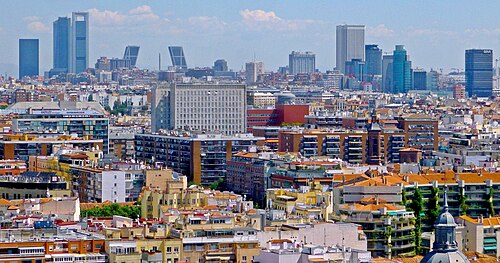
Madrid, the capital city of Spain and the third-largest city in Europe, is renowned for its rich cultural heritage, vibrant atmosphere, and historical significance. Nestled in the heart of the Iberian Peninsula, Madrid serves as the political, economic, and cultural center of the country. Established as a city in the 9th century, Madrid has evolved over time, becoming a melting pot of traditions and influences from various epochs. The city boasts a diverse architectural landscape, featuring a blend of medieval structures, Baroque buildings, and contemporary designs. Landmarks such as the Royal Palace, the official residence of the Spanish royal family, and the iconic Plaza Mayor, a grand square that has been central to the city's history, attract millions of tourists each year.
The cultural scene in Madrid is vibrant and varied, heavily influenced by its historical roots. The city is home to world-class museums, including the Prado Museum, which houses masterpieces by artists such as Velázquez and Goya, and the Reina Sofia Museum, where visitors can admire Pablo Picasso's renowned work, "Guernica." Madrid is also famous for its lively neighborhoods, such as Malasaña, known for its bohemian spirit and nightlife, and Chueca, celebrated for its LGBTQ+ community and vibrant atmosphere. Gastronomically, the city offers a plethora of dining options, where one can indulge in traditional Spanish cuisine, including tapas, paella, and churros with chocolate. Madrid's cultural events, such as the annual San Isidro Festival, showcase the city's rich traditions and lively spirit, featuring music, dance, bullfighting, and local cuisine.
With a population of over 3 million residents, Madrid is not only a major European hub but also a dynamic cosmopolitan city. It features an extensive public transport system, including buses and a metro network that connects various districts seamlessly. Madrid's climate is characterized by hot summers and mild winters, making it an attractive destination year-round. The city's commitment to sustainability and innovation is evident in its recent efforts to improve green spaces and promote eco-friendly transportation. As a dynamic blend of history and modernity, Madrid continues to captivate visitors and residents alike, serving as a testament to Spain's cultural richness and enduring legacy.
Facts about Madrid
- Madrid is the capital city of Spain and is the largest city in the country, both in terms of population and area.
- The city is home to the Royal Palace of Madrid, the official residence of the Spanish royal family, which is the largest royal palace in Western Europe.
- Madrid boasts the Prado Museum, one of the world's premier art galleries, featuring works by Spanish masters such as Velázquez, Goya, and El Greco.
- The city hosts the annual San Isidro Festival, one of the largest and most important festivals in Madrid, honoring the city's patron saint with parades, music, and traditional food.
- Madrid has a unique tradition called 'El Rastro', a massive open-air flea market held every Sunday that attracts both locals and tourists.
- The Gran Vía, often referred to as the 'Spanish Broadway', is known for its vibrant nightlife, theaters, and shopping, distinguishing it from other cities in Spain.
- As a city that never sleeps, Madrid has a cultural tradition of late-night dining, with restaurants, tapas bars, and nightlife in full swing until the early hours.
- Madrid's distinct architecture is characterized by a mix of styles, including Hapsburg, Neo-Mudejar, and contemporary designs, showcasing its historical evolution.
- The Madrid-Barajas Airport is one of the busiest airports in Europe, making Madrid a significant international gateway into Spain.
- Madrid is known for its large urban parks, such as Retiro Park, which provides a green oasis in the city and is popular for relaxation and cultural events.