Mafeteng, Lesotho
- 45,287 people
- 2 places to visit
- -29.8224, 27.2388
Places to Visit (2)
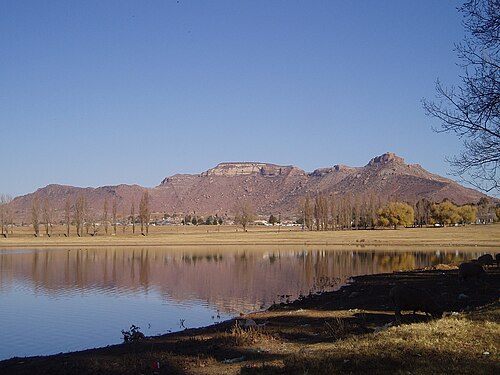
Mafeteng is a city situated in the southern part of Lesotho, approximately 70 kilometers southeast of the capital, Maseru. It serves as the capital of the Mafeteng District and is one of the largest urban centers in the country, with a population that reflects the diverse ethnic composition of Lesotho's Sotho population. The city is positioned at an elevation of about 1,445 meters above sea level, giving it a temperate climate characterized by warm summers and cool winters. Mafeteng plays a crucial role as an economic hub, with its economy primarily driven by agriculture, trade, and services. The surrounding region is known for its fertile lands, benefiting from subsistence farming practices that include crops like maize and sorghum.
The city is well-connected by road, making it easily accessible from other parts of Lesotho and South Africa. Mafeteng boasts several educational institutions, health facilities, and markets, contributing to its reputation as a commercial center. A notable feature of Mafeteng is its proximity to significant historical sites, including the nearby town of Semonkong and its famous Maletsunyane Falls, known for their scenic beauty. Additionally, the city serves as a cultural center where traditional Sotho customs and practices are preserved, making it a vibrant community for both residents and visitors. Overall, Mafeteng is an important locality in Lesotho, balancing modern development with rich cultural heritage.
Facts about Mafeteng
- Mafeteng is the second largest city in Lesotho and serves as a significant administrative and commercial center in the southern region of the country.
- The city is named after the Mafeteng River, which is an important water source and has historical significance for the people living in the area.
- Mafeteng is known for its vibrant traditional Basotho culture, including unique crafts, music, and dance that attract cultural tourism.
- The city is home to the historic Mafeteng Fort, built during the late 19th century, which played a role in the defense against Boer and other colonial incursions.
- Mafeteng hosts the annual Mafeteng Festival, celebrating local culture through music, food, and arts, which differentiates it from other towns that may not have such events.
- The region around Mafeteng is known for fertile agricultural land, contributing significantly to Lesotho's agricultural output, particularly in maize and vegetables.
- Mafeteng is strategically located near major transportation routes, connecting it to other cities, including the capital, Maseru, which enhances its role as a trade hub.
- The city has several educational institutions, including the Mafeteng College of Education, which focuses on training teachers, fostering education in the region.
- Mafeteng is notable for its diverse population, with various ethnic groups coexisting and contributing to a rich cultural mosaic distinct from other areas in Lesotho.
- The city serves as a gateway to the scenic ha Kome Caves, a historical site where the Basotho people took refuge during conflicts, showcasing the area's rich heritage.