Magangué, Colombia
- 123,982 people
- 5 places to visit
- 9.2414, -74.7528
Places to Visit (5)
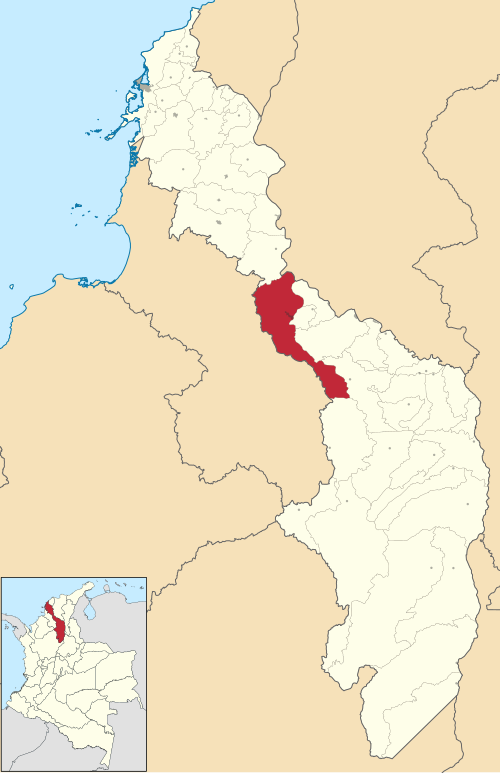
Magangué is a city located in the Bolívar Department of Colombia, positioned along the banks of the Cartagena River. It is situated approximately 180 kilometers northwest of Bogotá and serves as an important administrative and commercial hub in the region. The city was founded in 1537, although it gained prominence in the 19th century when it became an essential river port for trade and transportation. Today, Magangué is one of the key urban centers in the department, contributing significantly to the local economy through agriculture, commerce, and services.
The population of Magangué is diverse, with a mix of cultures influenced by Indigenous, African, and Spanish heritage. As of the latest estimates, it has a population of around 73,000 residents. This demographic diversity is reflected in the city’s customs, traditions, and culinary offerings, which often highlight regional ingredients and flavors. The economy of Magangué is primarily driven by agriculture, with rice, corn, and palm oil being significant products. Additionally, the city has witnessed growth in small industries and commerce, catering to both local and regional markets.
Magangué also boasts various cultural and natural attractions. The city is known for its vibrant festivals, particularly the Carnival of Magangué, which showcases the rich cultural tapestry of the region through music, dance, and parades. The surrounding landscape is characterized by riverside scenery and lush agricultural fields, which offer opportunities for ecotourism and outdoor activities. While the city is often overshadowed by larger urban centers such as Cartagena and Sincelejo, it remains a vital part of Colombia’s social and economic fabric, providing a unique glimpse into the country’s cultural heritage and rural life.
Facts about Magangué
- Magangué is located in the Bolívar Department of Colombia, strategically situated near the Magdalena River, which has historically facilitated trade and transportation.
- The city is known for its rich agricultural production, particularly in rice, corn, and cassava, making it an important agricultural hub in the region.
- Magangué hosts the annual Festival de San Pablo, celebrating the local patron saint with music, dance, and cultural events that draw visitors from surrounding areas.
- The city is home to the iconic Church of San Pablo, a notable historical landmark that showcases colonial architecture and is central to local religious practices.
- Magangué was founded in 1776, giving it a unique historical legacy compared to many other cities in Colombia that were established much earlier or later.
- The regional economy of Magangué is bolstered by its proximity to the port of Barranquilla, which is crucial for exportation and trade activities.
- Magangué has a vibrant Afro-Colombian community that contributes significantly to the cultural landscape, particularly in music, dance, and culinary traditions.
- The area has been inhabited by indigenous groups for centuries, and archaeological sites near Magangué reveal rich pre-Columbian history.
- Magangué is distinguished by its commitment to promoting environmental sustainability, with various initiatives aimed at protecting the Magdalena River and surrounding ecosystems.
- The city has a growing educational sector, with a focus on improving literacy rates and access to quality education, which sets it apart from some other municipalities in Colombia.