Maghnia, Algeria
- 87,373 people
- 2 places to visit
- 34.8487, -1.7294
Places to Visit (2)
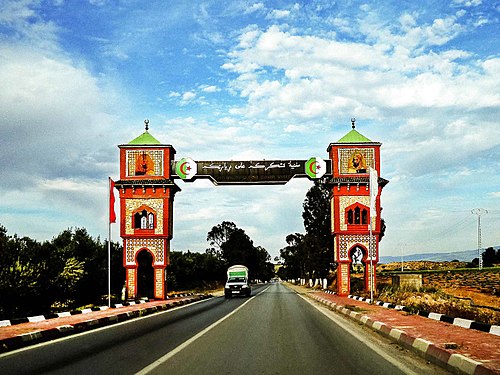
Maghnia is a city located in the Sidi Bel Abbès province in northwestern Algeria. Situated near the border with Morocco, it is approximately 25 kilometers from the city of Tlemcen and about 100 kilometers from Oran, one of Algeria's major urban centers. The city, established in the 19th century, has played a significant role in the region's history and economic development, particularly due to its strategic location as a trade route between Algeria and Morocco. The population of Maghnia is diverse, with a mix of Berber and Arab cultures that contribute to the city's rich heritage and cultural identity.
Historically, Maghnia was known for its agricultural products, with fertile lands allowing for the cultivation of various crops. The economy has shifted over time, with trade becoming a dominant activity due to its proximity to the border. This geographical advantage has fostered commercial relationships with neighboring regions, and over the years, Maghnia has emerged as a vibrant marketplace. The city's infrastructure includes roads and communications that facilitate cross-border trade. The local economy is also supported by small industries and services catering to both residents and travelers.
In addition to its economic significance, Maghnia is known for its historical and architectural landmarks. The city features several mosques and traditional markets that reflect its cultural heritage. The proximity to natural attractions, including the Tlemcen National Park, makes it an appealing destination for tourists seeking both history and natural beauty. Maghnia’s community celebrates various cultural festivals, emphasizing the blend of its historical roots and contemporary Algerian culture. Overall, Maghnia represents a confluence of history, culture, and commerce, marking its importance in Algeria and the broader Maghreb region.
Facts about Maghnia
- Maghnia, located near the Moroccan border, has historically been a significant trade center due to its strategic position along caravan routes.
- The city was home to one of the oldest universities in Algeria, the University of Maghnia, which was established in the 1960s and has contributed to the regional education landscape.
- Maghnia is known for its historical architecture, particularly the mix of Ottoman and Spanish influences seen in its buildings from the 19th century.
- The city features the iconic Moulay Ismail Mosque, which reflects the rich Islamic heritage of the region.
- Maghnia's history includes being a central point during the Algerian War of Independence, with numerous uprisings and resistance activities taking place in the area.
- The town has a vibrant bazaar culture, showcasing local crafts, products, and the region's traditional handicrafts, setting it apart from larger urban centers.
- Maghnia is also famous for its agricultural produce, particularly citrus fruits, benefiting from a suitable Mediterranean climate.
- The annual festival of Maghnia highlights local music and cultural performances, celebrating the diverse heritage of the community.
- Maghnia has a significant demographic of Berber origin, preserving unique traditions and languages distinct from other Algerian cities.
- The city was historically known as 'Moghra' and was an important administrative hub during various empires including the Almohads and the Ottomans.