Mahajanga, Madagascar
- 260,556 people
- 4 places to visit
- -15.6922, 46.3337
Places to Visit (4)
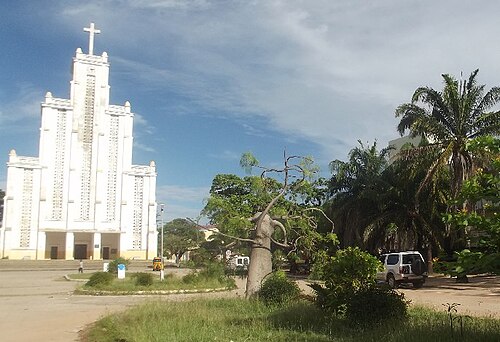
Mahajanga, also known as Majunga, is a vibrant city located on the northwest coast of Madagascar along the Mozambique Channel. It is the capital of the Boeny Region and serves as an important port city, contributing significantly to trade and commerce in the region. With a population of approximately 200,000 residents, Mahajanga is known for its multicultural atmosphere, reflecting a blend of Malagasy, Arab, and French influences. The city is characterized by its tropical climate, with a warm and humid atmosphere, making it an appealing destination for both locals and tourists.
One of Mahajanga's notable features is its picturesque coastal scenery, which includes beautiful beaches such as Grand Pavois and Antsanitia. These beaches offer opportunities for various water sports and activities, such as swimming, snorkeling, and windsurfing. The city is also home to unique geological formations, including the famous "Cirque Rouge," a striking red cliff formation. Mahajanga is a gateway to several natural attractions, including the Ankarafantsika National Park, which is renowned for its diverse wildlife and endemic species. The park is a prime destination for birdwatching and hiking enthusiasts, showcasing Madagascar’s rich biodiversity.
Culturally, Mahajanga is known for its lively markets, traditional cuisine, and festivals, showcasing the rich cultural heritage of the region. The city hosts various events throughout the year, including the famous “Hira Gasy,” a traditional musical and theatrical performance that reflects Malagasy history and folklore. Mahajanga is also significant for its educational institutions, with several schools and a branch of the University of Madagascar. The city's economic activities are bolstered by fishing, agriculture, and tourism, making it a key player in the local economy of Madagascar. Overall, Mahajanga stands out as a dynamic city that embodies the essence of Madagascar's cultural heritage and natural beauty, making it a must-visit location on the island.
Facts about Mahajanga
- Mahajanga is located on the northwest coast of Madagascar, making it a key port city and a gateway for maritime trade.
- The city is known for its unique 'Cirque Rouge,' a striking geological formation characterized by colorful sandstone cliffs that are a popular tourist attraction.
- Mahajanga boasts a rich history as a former capital of the Kingdom of Menabe during the 18th century, highlighting its historical significance in the region.
- The city features the only natural bay in Madagascar that provides shelter for boats, contributing to its role as a major fishing and shipping center.
- Mahajanga hosts the annual 'Mahajanga Jazz Festival,' which is one of the prominent music events in Madagascar, attracting local and international artists.
- The famous 'Lighthouse of Mahajanga' is a historical landmark, built in the 19th century, and still serves as an important navigational aid for vessels.
- Mahajanga is known for its diverse ecosystems, including nearby national parks such as Ankarafantsika National Park, which is renowned for its unique flora and fauna.
- The city experiences a tropical climate, making it one of the hottest and sunniest parts of Madagascar, attracting beachgoers and water sports enthusiasts.
- Mahajanga has a vibrant local cuisine that features unique dishes, with seafood being a prominent element due to its coastal location.
- The city reflects a blend of Malagasy and Arab influences, particularly in its architectural styles and cultural practices, setting it apart from other cities in Madagascar.