Maia, Portugal
- 36,426 people
- 14 places to visit
- 41.2279, -8.6211
Places to Visit (14)
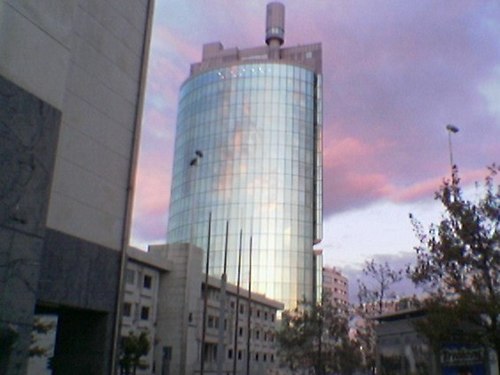
Maia is a vibrant city in northern Portugal, located in the district of Porto, approximately 10 kilometers northwest of the city of Porto itself. Known for its rich history and rapid urban development, Maia has become one of the key cities in the Greater Porto metropolitan area. The city has a population of around 35,000 residents, contributing to a diverse community that blends traditional Portuguese culture with modern influences. With its strategic location, Maia serves as an essential hub for commerce and industry, featuring numerous businesses and companies, particularly in technology and manufacturing sectors.
The city's historical roots can be traced back to Roman times, and several archaeological sites and remnants from this era can still be found throughout the region. Maia is also home to beautiful parks and green spaces, such as the Parque Central and Parque de Avioso, which provide residents and visitors with opportunities for recreation and leisure. Additionally, the city offers a rich cultural scene, with various museums, art galleries, and theaters that celebrate local traditions and contemporary artistry. Notable landmarks include the Igreja de Nossa Senhora da Conceição, a historic church that reflects the architectural styles of the region, and several well-preserved 19th-century buildings that highlight Maia's development over the years.
In terms of transportation, Maia is well-connected with the Porto metropolitan area through a network of roads, rail, and public transport options, including the Metro do Porto. This accessibility allows residents to easily commute to Porto and other surrounding areas for work or leisure. Maia also hosts several educational institutions, ranging from primary schools to higher education establishments, further enhancing its appeal as a residential city. With its blend of historical significance, modern amenities, and community-focused living, Maia continues to be an attractive destination for both locals and tourists seeking to experience the essence of northern Portugal.
Facts about Maia
- Maia is known for its rich industrial history, particularly in the textile and automotive sectors, making it a significant economic hub in Portugal.
- The city is home to the beautiful Jardim de Bensimon, a landscaped park that features a lake, playgrounds, and walking paths, which distinguishes it from other urban areas.
- Maia hosts the iconic Igreja de Nossa Senhora da Maia, a church with a unique architectural style that combines Baroque and Neoclassical elements.
- Unlike many other Portuguese cities, Maia has a strong focus on sports, being home to the popular Futebol Clube da Maia and various athletic complexes.
- The city is celebrated for its annual Feira Nacional de Artesanato, promoting local crafts and artisanal products, which reflects its commitment to cultural heritage.
- Maia has a convenient location near the major city of Porto, providing easy access to urban amenities while maintaining a distinct local charm.
- The city boasts a diverse population, enriched by a variety of cultural festivals throughout the year, showcasing different traditions and customs.
- Maia is recognized for its commitment to sustainability and green initiatives, including various eco-friendly projects that set it apart in Portuguese urban planning.
- The city features numerous historic sites, such as the Romanesque-style Capela de São Pedro, which highlight its deep historical roots.
- Maia is part of the Greater Porto area but retains its unique identity, with events and initiatives that reflect its smaller community vibe.