Maibara, Japan
- 38,259 people
- 3 places to visit
- 35.3155, 136.284
Places to Visit (3)
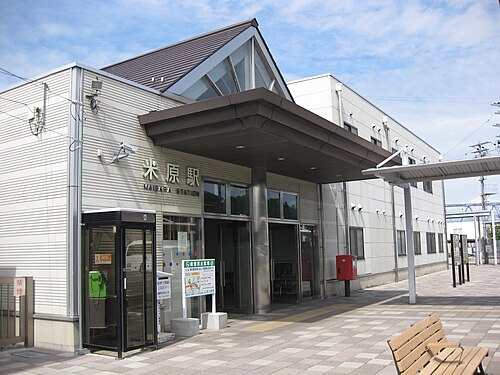
Maibara is a city located in the Shiga Prefecture of Japan, situated in the central part of the country. It lies at the foot of the Ibuki Mountains and borders Lake Biwa, Japan's largest freshwater lake. Established as a city in 2006, Maibara was formed through the merger of several towns and villages, including the former Maibara Town. The city is characterized by a mix of natural beauty and historical significance, being surrounded by lush landscapes and historical sites that reflect its rich cultural heritage.
The city of Maibara is notable for its transportation links, particularly as a key junction for railways. The Tōkaidō Shinkansen, Japan's high-speed rail system, passes through Maibara Station, providing convenient access to major cities such as Tokyo and Osaka. This accessibility contributes to the local economy and tourism by drawing visitors interested in exploring the scenic nature and cultural sites. Among its attractions is the historic Hikiyama Shrine, which dates back to ancient times, as well as various festivals that celebrate local traditions. The surrounding area also offers opportunities for outdoor activities such as hiking, fishing, and exploring the natural environment, including the Ibuki Mountain range, which is renowned for its diverse flora and fauna.
Maibara's economy is primarily driven by agriculture, manufacturing, and tourism. The fertile lands in the region support rice cultivation, alongside other crops. As a city that balances modernization with tradition, Maibara continues to develop while preserving its historical legacy, making it a fascinating destination for those interested in experiencing both the old and new aspects of Japanese culture. The city's commitment to environmental conservation and heritage preservation further enhances its appeal, ensuring that visitors can enjoy its natural beauty while learning about its historical context and cultural significance.
Facts about Maibara
- Maibara is known for the historic Kōsai-ji Temple, which houses a significant statue of the Amida Buddha, attracting visitors interested in Buddhist culture.
- The city is home to the Maibara Castle ruins, which date back to the 16th century and are a testament to its historical significance as a feudal era stronghold.
- Maibara serves as a gateway to the scenic Lake Biwa, the largest freshwater lake in Japan, making it a popular destination for outdoor activities such as boating and fishing.
- Maibara is renowned for its production of 'Maibara tea', a variety of green tea that has gained recognition for its quality and flavor.
- Each year, Maibara hosts the 'Maibara Firefly Festival', celebrating the natural beauty of the area with traditional performances and light displays during the firefly season.
- Maibara's location at the junction of the Tōkaidō and Hokuriku railways has historically made it an important transportation hub, enhancing its connectivity to major cities.
- The city is also noted for its preserved Edo-period architecture, which offers a glimpse into Japan’s past and sets it apart from other modernizing areas.
- Maibara has a thriving local population of artisans, known for their craftsmanship in traditional crafts such as pottery and textiles, contributing to the city's unique cultural landscape.
- In 2005, Maibara expanded its area and population by merging with neighboring towns, which helped preserve local culture and foster community developments.
- Youth and sports play an essential role in Maibara, with numerous facilities supporting various sports, including baseball and soccer, distinguishing it as a community-promoting athletic culture.