Maiduguri, Nigeria
- 1,110,000 people
- 10 places to visit
- 11.8311, 13.151
Places to Visit (10)
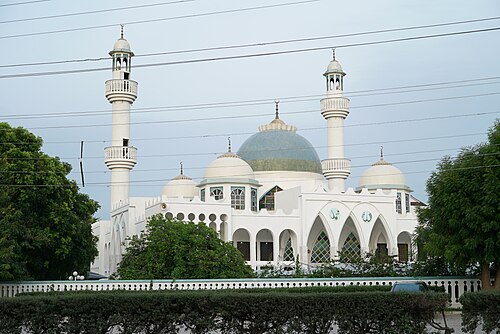
Maiduguri, the capital of Borno State in northeastern Nigeria, is a city with a rich history and significant cultural relevance. Founded in the 13th century, Maiduguri initially served as a trading center in the region, leveraging its position along the trade routes connecting the northern and southern parts of West Africa. The city is notable for its diverse ethnic composition, predominantly comprising the Kanuri people, along with other ethnic groups such as the Babur, Shuwa Arab, and Fulani. As a historical center for Islamic scholarship and culture, Maiduguri has been profoundly influenced by its Islamic heritage, with numerous mosques and educational institutions that contribute to its vibrant community life.
In recent years, Maiduguri has gained international attention due to the impact of the Boko Haram insurgency, which began in 2009. The insurgency has led to significant humanitarian challenges, including displacement and insecurity affecting the local population. Despite these challenges, Maiduguri remains a resilient city, contributing to the ongoing efforts to provide aid to internally displaced persons (IDPs) housed in various camps around the city. The local government and various non-governmental organizations (NGOs) are actively engaged in initiatives to improve education, health care, and livelihood opportunities for the affected populations. Additionally, economic activities in Maiduguri are gradually recovering, buoyed by trade and agriculture, which continue to play a crucial role in the city’s economy.
Maiduguri is also recognized for the unique cultural festivals and practices of its residents, which reflect the rich traditions of the diverse groups that inhabit the area. The city's markets, particularly the famous Maiduguri Main Market, offer a variety of goods ranging from local crafts to agricultural produce, showcasing the entrepreneurial spirit of its people. As the heart of Borno State, Maiduguri stands as a symbol of resilience amidst adversity, embodying the hopes and aspirations of its inhabitants for a peaceful and prosperous future.
Facts about Maiduguri
- Maiduguri is the capital of Borno State and is recognized as the cultural and administrative center of northeastern Nigeria.
- The city is home to the University of Maiduguri, established in 1975, which is one of the first federal universities in Nigeria's northeastern region.
- Maiduguri has a rich history dating back to the Kanem-Bornu Empire, making it one of the oldest cities in Nigeria with significant historical heritage.
- The city's geographical location makes it a crucial gateway for trade and commerce between Nigeria and neighboring countries, including Chad and Cameroon.
- Maiduguri is known for its vibrant markets, with the Maiduguri Monday Market being one of the largest and busiest markets in the region.
- The city has faced significant challenges due to the Boko Haram insurgency since 2009, transforming its social and economic landscape.
- Maiduguri is famous for its traditional Tugun (a type of fish) and Bama (a type of rice) dishes, reflecting the local culinary culture.
- The city's architecture features traditional Hausa and Fulani influences, including distinct mud houses and mosques.
- Maiduguri hosts various cultural festivals, including the Borno Cultural Festival, which celebrates the local customs and traditions of the people.
- The city is home to the famous Maiduguri Emirate, with the Shehu of Borno traditionally serving as the royal leader, which plays a significant role in the social and political life of the area.