Makassar, Indonesia
- 1,423,877 people
- 12 places to visit
- -5.1616, 119.4359
Places to Visit (12)
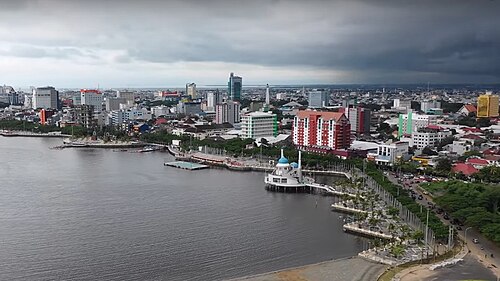
Makassar, the capital of South Sulawesi province in Indonesia, is the largest city on the island of Sulawesi and serves as a major economic, cultural, and political hub for Eastern Indonesia. With a population of over 1.5 million people, it is one of the most populous cities in Indonesia and is known for its vibrant mix of cultures, traditions, and languages. The city was historically referred to as Ujung Pandang until it regained its original name, Makassar, in 1999. The city has a rich history dating back to the 14th century when it was a key trading port for various kingdoms and foreign merchants, particularly during the time of the Gowa Kingdom.
Modern-day Makassar is characterized by its diverse economy, which is driven by trade, commerce, tourism, and agriculture. The Port of Makassar, known as Soekarno-Hatta Port, is one of the busiest ports in Indonesia, facilitating not only shipping and transportation but also serving as a gateway to the eastern region of the country. The city has seen significant development in recent years, with the growth of commercial centers, hotels, and residential areas. Makassar is also known for its culinary scene, with local dishes like Coto Makassar (a traditional beef soup), Pallubasa (spicy beef soup), and a variety of seafood reflecting the city's coastal location. Cultural events and festivals, such as the Makassar International Eight Festival and Forum, celebrate the region's heritage and attract both tourists and locals, enhancing the city's appeal as a travel destination.
In addition to its economic growth, Makassar is home to various educational institutions, including Hasanuddin University, which contributes to research and development in the region. The city features several historical landmarks such as Fort Rotterdam, a well-preserved fortress built by the Dutch in the 17th century, and the Bantimurung-Bulusaraung National Park, known for its stunning waterfalls and biodiversity, including the endemic butterfly species. Makassar's strategic location as a transit point to other parts of Indonesia, combined with its vibrant culture and thriving economy, makes it an important city in the broader context of the nation's growth and development.
Facts about Makassar
- Makassar is the largest city in eastern Indonesia and serves as a vital economic hub for the region.
- The city was historically known as Ujung Pandang and was an important trade center during the spice trade era.
- Makassar is home to Fort Rotterdam, a well-preserved 17th-century Dutch fort that reflects the city's colonial history.
- The city's traditional cuisine is famous for its seafood, particularly a dish called Coto Makassar, a hearty beef soup.
- Makassar hosts the annual Makassar International Eight Festival and Forum (MIEF), which promotes cultural exchange and tourism.
- Tanjung Bira, located near Makassar, is known for its beautiful beaches and is a popular destination for tourists seeking snorkeling and diving.
- The iconic Losari Beach is a significant landmark in Makassar, known for its stunning sunset views and vibrant promenade.
- Makassar has a rich cultural heritage, influenced by diverse ethnic groups including the Bugis, Makassar, and Toraja.
- The city is also the gateway to explore the stunning landscapes of the nearby Toraja region, known for its unique traditional houses and burial practices.
- Makassar is a major transportation hub with Hasanuddin International Airport and the Port of Makassar, facilitating trade and travel across Indonesia.