Makó, Hungary
- 25,135 people
- 13 places to visit
- 46.2219, 20.4809
Places to Visit (13)
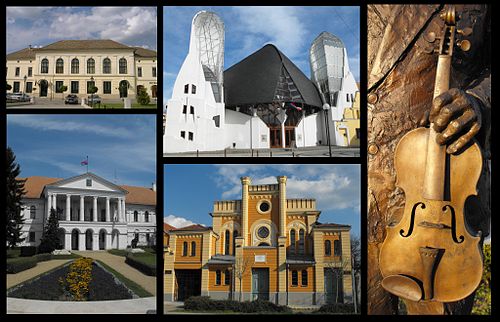
Makó is a small town located in Csongrád-Csanád County, Hungary, near the southern border with Romania. It lies approximately 180 kilometers southeast of Budapest and is part of the Southern Great Plain region. With a rich history that dates back to Roman times, Makó has evolved into a charming settlement known for its agricultural significance, particularly in the cultivation of onions, which has earned it the nickname "Onion Capital." The town is situated along the banks of the Maros River, contributing to its scenic landscape and agricultural prominence. Makó's population is around 20,000 residents, and its economy is heavily reliant on farming, along with local commerce and small industries.
A notable highlight of Makó is its cultural heritage, including various architectural styles that reflect its historical evolution. The town features several significant buildings, such as the Early Baroque-style Protestant church and the Roman Catholic church built in the 19th century. Makó is also home to thermal baths, which draw visitors seeking relaxation and wellness treatments, leveraging the region’s geothermal resources. The town hosts an array of cultural events, including agricultural fairs and local festivals, which celebrate its agricultural roots and foster community pride. Furthermore, its proximity to larger cities like Szeged provides residents access to broader economic and cultural opportunities while maintaining a distinct small-town charm. With a harmonious blend of history, culture, and agriculture, Makó remains a unique representation of Hungary’s rural landscape.
Facts about Makó
- Makó is renowned for its unique thermal baths, which draw visitors seeking relaxation and health benefits from the mineral-rich waters.
- The city is famous for its production of exceptional quality onions, especially the Makó onion, which is protected by European Union PGI status.
- Makó was the birthplace of the famous Hungarian poet and writer Sándor Petőfi, who played a significant role in the Hungarian Revolution of 1848.
- The city's stunning St. Stephen's Church features a unique architectural style and is home to a notable organ built in the 19th century.
- Makó hosts an annual Onion Festival, celebrating its agricultural heritage with food, entertainment, and cultural activities, attracting thousands of visitors.
- The Hagymatikum Thermal Bath in Makó is noted for its innovative design, featuring a range of wellness services and outdoor pools.
- Makó's historical town center contains several Baroque buildings, showcasing the architectural style of the period and contributing to its cultural heritage.
- The town is home to the Maros River, which plays a significant role in the local ecosystem and offers recreational opportunities for residents and visitors.
- Makó has a rich Jewish heritage, with historical synagogues and memorials reflecting its diverse cultural past.
- The city is known for its involvement in the grape and wine industry, producing unique regional varieties that contribute to Hungary's famous wine culture.