Malakal, South Sudan
- 160,765 people
- 5 places to visit
- 9.528, 31.6682
Places to Visit (5)
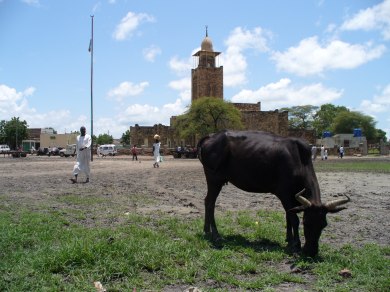
Malakal is a prominent city located in the Upper Nile State of South Sudan, situated at the confluence of the White Nile and the Sobat River. It serves as the capital of the Malakal County and plays a crucial role in the region's economy and administration. Historically, Malakal has been a vital trade hub, benefiting from its strategic geographical position that connects different parts of South Sudan. The city’s population is ethnically diverse, with significant groups including the Dinka, Shilluk, and Nuer communities, each contributing to the rich cultural tapestry of the area.
The city's infrastructure has faced numerous challenges, particularly due to the impact of long-standing conflicts that have afflicted South Sudan since its independence in 2011. These conflicts have led to significant displacement of the population and have severely affected economic activities and essential services. Despite these challenges, Malakal is gradually recovering, supported by international organizations and humanitarian efforts aimed at stabilization and development. Key facilities, including a hospital and schools, have been established or restored, and the city continues to function as a center for local governance and social services.
Additionally, Malakal is home to a United Nations peacekeeping mission, which has been instrumental in promoting security and humanitarian aid in the area. This presence has helped in facilitating the return of displaced people and restoring some level of normalcy. Nevertheless, Malakal faces ongoing issues such as food insecurity and limited access to clean water, which are exacerbated by climate-related challenges and resource scarcity. As South Sudan continues to work toward peace and stability, Malakal remains a focal point for both hope and struggle, embodying the broader aspirations of the nation in its quest for recovery and development.
Facts about Malakal
- Malakal is located at the confluence of the White Nile and Sobat River, making it a vital trade and transportation hub in South Sudan.
- The city served as the capital of Upper Nile State and has historically been a key administrative center.
- Malakal is known for its diverse ethnic composition, including significant populations of the Dinka, Shilluk, and Nuer communities.
- The Malakal airstrip is one of the busiest in South Sudan, facilitating not only domestic flights but also international air traffic, particularly for humanitarian missions.
- Malakal has experienced various phases of conflict and peace, making it a focal point for several peace negotiations in the region, particularly during the civil wars.
- The city was significantly affected by the South Sudanese Civil War, resulting in the displacement of thousands and substantial damage to infrastructure.
- Malakal has a unique cultural blend of traditional customs and modern influences, with various festivals showcasing local music, dance, and art.
- The town is home to the Malakal Market, which is one of the largest markets in the region, attracting traders from different parts of South Sudan and neighboring countries.
- Malakal was once a thriving port town, and despite the disruptions, it still serves as a significant point for river transport along the Nile.
- Efforts are being made to rebuild community and infrastructure in Malakal, focusing on reconciliation and development following the years of conflict.