Malang, Indonesia
- 847,182 people
- 8 places to visit
- -7.9666, 112.6326
Places to Visit (8)
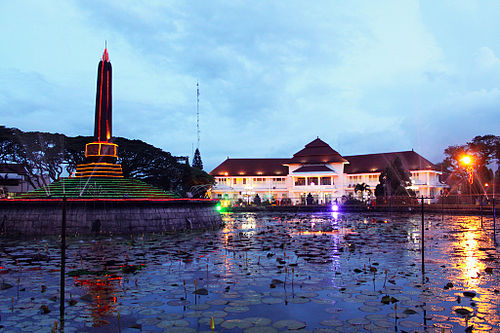
Malang is a vibrant city located in East Java, Indonesia, known for its cool climate, rich cultural heritage, and picturesque landscapes. Situated at an elevation of approximately 450 meters above sea level, Malang enjoys a temperate climate that attracts both local and international tourists. The city is surrounded by mountains, including the majestic Mount Semeru and Mount Bromo, which are part of Bromo Tengger Semeru National Park. This proximity to natural beauty makes Malang a popular gateway for outdoor activities such as hiking, camping, and exploring scenic rice terraces. Malang's elevation contributes to its relatively cooler temperatures, offering a pleasant respite from the heat experienced in many other parts of Indonesia.
Historically, Malang has significance as one of the oldest cities in East Java, established during the era of the Majapahit Kingdom in the 13th century. Its colonial past is reflected in its architecture, with numerous Dutch-era buildings still standing today. The city is also known for its rich cultural traditions, including its annual festivals that showcase regional arts, crafts, and cuisine. Notable attractions in and around Malang include the historic Taman Rekreasi Kota Malang, the colorful Jodipan Village, and the tranquil Coban Rondo waterfall. Malang is also famous for its culinary scene, offering local delicacies such as bakso (meatballs) and rujak (fruit salad with chili paste). Furthermore, Malang serves as a hub for education, hosting several prominent universities, which contribute to the city's youthful atmosphere and vibrant community life. This blend of history, culture, and natural beauty makes Malang a unique destination in Indonesia, appealing to a diverse range of visitors seeking both relaxation and adventure.
Facts about Malang
- Malang is known for its cool climate due to its high elevation, situated about 450 meters above sea level, which distinguishes it from many other cities in Indonesia.
- The city is famous for its historic colonial architecture, including the iconic Tugu Hotel, which showcases the Dutch architectural influence in the region.
- Malang is often referred to as the 'city of flowers' because of its abundance of flower markets and gardens, making it a popular destination for horticulture enthusiasts.
- The nearby Mount Bromo, part of the Bromo Tengger Semeru National Park, is a prominent tourist attraction and offers stunning sunrise views, setting Malang apart as a gateway to this iconic volcano.
- Malang's vibrant education culture is highlighted by the presence of several prestigious universities, earning it the nickname 'the Education City' of East Java.
- The city hosts the annual Malang Flower Carnival, which showcases elaborate floats and local flora, contributing to its reputation as a center for cultural events.
- Malang is notable for its rich culinary scene, particularly known for its unique variations of Indonesian street food, such as Bakso Malang, a meatball soup that originated from the area.
- The city's historical significance is marked by the presence of various national monuments, including the Jodipan Colorful Village, reflecting its community-driven art initiatives.
- Malang has a significant Chinese heritage, evident in places like the Cheng Hoo Mosque and various temples that attract visitors interested in cultural diversity.
- The city is a hub for outdoor activities, including hiking, mountain biking, and eco-tourism, benefiting from its scenic landscapes and nature reserves.