Malanje, Angola
- 455,000 people
- 3 places to visit
- -9.5418, 16.3346
Places to Visit (3)
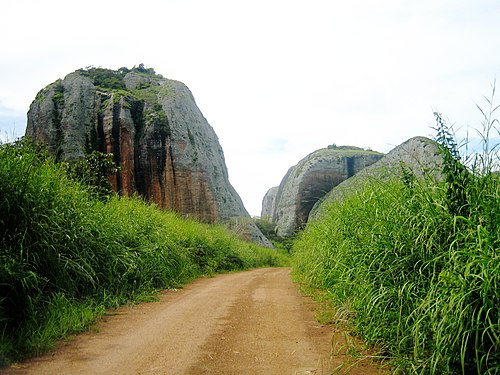
Malanje is a city located in the central northern region of Angola, serving as the capital of the Malanje Province. It lies approximately 390 kilometers southeast of Luanda, the capital of the country. Founded in the late 19th century during Portuguese colonial rule, Malanje has evolved into an important economic and cultural center in Angola. The city is situated at an altitude of about 1,300 meters, contributing to its relatively cooler climate compared to other Angolan regions. An important feature of Malanje is its accessibility via the national road network and the proximity to the Malanje Airport, which provides connectivity to other major cities.
Malanje is characterized by its diverse population and rich cultural heritage, reflecting a blend of indigenous traditions and colonial influences. The local economy is mainly driven by agriculture, with the surrounding areas being known for the cultivation of crops such as corn, cassava, and beans. Furthermore, the region has an abundance of natural resources, including minerals like diamonds and iron ore, which play a significant role in the country's economy. The city is also known for its picturesque landscapes, with nearby attractions such as the stunning Kalandula Falls, which are among the largest waterfalls in Africa, and the scenic Luachimo River. These natural sites not only boost local tourism but also serve as a reminder of Angola's rich biodiversity and natural beauty.
In recent years, Malanje has experienced urban development and infrastructure improvements, which have enhanced the quality of life for its residents. Despite the lingering effects of decades of civil conflict that plagued Angola, the city has been undergoing reconstruction and modernization efforts, aiming to promote economic recovery and social stability. Community life in Malanje is vibrant, marked by various cultural events and festivals that celebrate the region's heritage. While facing challenges such as access to healthcare and education, Malanje remains a city of growth and resilience, symbolizing Angola's journey towards rebuilding and development in the post-war era.
Facts about Malanje
- Malanje is known for its beautiful green landscapes and abundant natural resources, particularly its fertile land and forestry, which set it apart from the arid regions of Angola.
- The city is home to the famous Kalandula Falls, one of the largest waterfalls in Africa, offering a stunning natural attraction that draws visitors from all over the country.
- Malanje has a unique historical significance as it was once the home of Queen Njinga, a powerful leader in the 17th century who played a vital role in resisting colonialism.
- The city is well-known for its agricultural production, particularly in coffee and sugarcane, which supports local economies and contrasts with more industrialized urban centers in Angola.
- Malanje hosts the annual Festival of the Roses, celebrating the region's cultural heritage and agricultural richness, making it a vibrant cultural hub within Angola.
- The historic town of Luso, located near Malanje, showcases Portuguese colonial architecture, reflecting the historical influence of Portugal in the region.
- The city is also recognized for its cultural diversity, with various ethnic groups contributing to Malanje's distinct traditions, crafts, and culinary offerings.
- Malanje has made significant strides in education, with numerous institutions dedicated to improving literacy and vocational training, marking it as a center for learning in Angola.
- The province surrounding Malanje is known for its minerals, especially diamonds, which have implications for both the economy and the local communities.
- Malanje features a unique blend of urban and rural lifestyles, providing a contrast to the more densely populated cities like Luanda, with cherishing local traditions and community living.