Malbork, Poland
- 38,723 people
- 9 places to visit
- 54.0361, 19.038
Places to Visit (9)
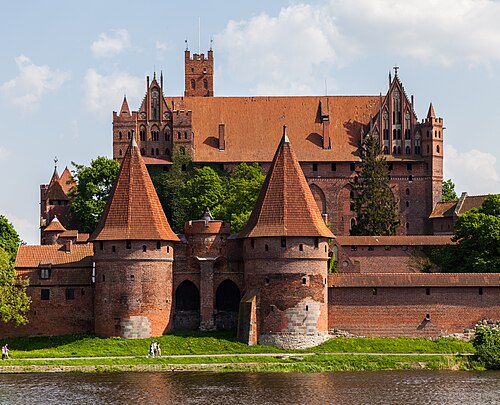
Malbork is a historic city located in northern Poland, renowned for its medieval architecture and rich history. It is situated on the banks of the Nogat River and falls within the Pomeranian Voivodeship. The city's population is approximately 38,000 residents. Malbork's most significant landmark is the Malbork Castle, a UNESCO World Heritage site and one of the largest brick castles in the world. Originally built in the 13th century by the Teutonic Knights, the castle served as the order's headquarters and is an exemplary representation of Gothic architecture. The castle complex includes a series of defensive walls, monumental structures, and architectural details that reflect the grandeur of the medieval period.
Beyond its impressive castle, Malbork has a vibrant cultural life, with various events and festivals celebrating its heritage. The city hosts the annual Malbork Castle Festival, which reenacts historical battles and showcases medieval crafts and traditions. Visitors can explore the museum located within the castle, offering exhibits on the history of the Teutonic Knights, as well as artifacts from the region’s past. Malbork's picturesque surroundings include parks and the scenic riverbank, making it an appealing destination for tourists and history enthusiasts. The city's strategic location near major transport routes facilitates easy access to nearby attractions, including Gdańsk and Sopot on the Baltic coast, further enhancing its appeal as a cultural and historical hub in Poland.
Facts about Malbork
- Malbork is home to the largest brick castle in the world, the Malbork Castle, which was originally built in the 13th century by the Teutonic Knights.
- The castle complex in Malbork is a UNESCO World Heritage Site, recognized for its unique architecture and historical significance.
- Malbork was the capital of the Teutonic Order in the 14th century, making it a significant center for medieval politics and military strategy.
- The Castle Museum in Malbork features a vast collection of artifacts, including armor, weaponry, and medieval art, showcasing the region's rich history.
- Malbork hosts the annual Castle of the Teutonic Order Festival, where visitors can experience medieval reenactments, music, and traditional crafts.
- The city is located on the banks of the Nogat River, which adds to its scenic beauty and historical importance as a trade route in medieval times.
- Malbork's cultural heritage includes the preservation of traditional crafts like pottery and weaving, which can be observed during local festivals.
- The town has a unique blend of Gothic and Renaissance architectural styles, visible in its historic buildings and urban layout.
- Malbork's strategic location has made it a melting pot of various cultural influences, from German and Polish to Prussian and Jewish communities.
- The city offers interactive exhibitions and educational programs at the castle, highlighting the significance of the Teutonic Knights and medieval history in Poland.