Mālegaon, India
- 435,362 people
- 5 places to visit
- 20.5579, 74.5089
Places to Visit (5)
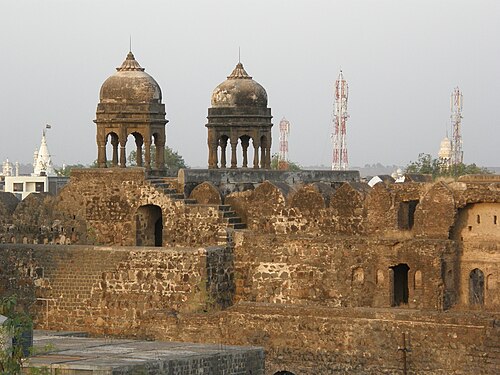
Mālegaon is a city situated in the Nashik district of Maharashtra, India. It lies approximately 300 kilometers northeast of Mumbai, the state capital. With a population exceeding 100,000, Mālegaon serves as a significant urban center within the region, primarily known for its textile and garment industries. The city is often referred to as a hub for power loom textiles, contributing to the local economy and employing many residents. The industrial landscape is complemented by the presence of small-scale businesses, agriculture, and other sectors that support the local community.
The city's geographical position along the banks of the Godavari River has historically made it an important trading post. This advantage has facilitated the growth of various businesses, particularly in textiles. The proximity to Nashik, a city known for its vineyards and temples, enhances Mālegaon's appeal as a commercial and cultural crossroads. While Mālegaon faces challenges typical of urban areas, such as infrastructure development and environmental concerns, it has also seen advancements in transportation, healthcare, and education. Migrants from rural areas have flocked to the city in search of employment opportunities, contributing to its diverse demographic profile.
Mālegaon is also significant from a socio-cultural perspective. The city is home to people from various religious backgrounds, including Hindus, Muslims, and Christians, which contributes to a rich tapestry of cultural practices and festivals. Religious sites, such as the Khwaja Syed Shah Niyazuddin Dargah, attract visitors and pilgrims, especially during the annual Urs festival. Educational institutions in the city cater to both basic and advanced learning, playing a crucial role in enhancing literacy rates. Plagued by periodic communal tensions in the past, recent years have seen efforts aimed at fostering communal harmony and ensuring coexistence among the diverse communities. The blend of industry, culture, and community life makes Mālegaon a notable example of urban development in Maharashtra.
Facts about Mālegaon
- Mālegaon is known for its significant Muslim population, contributing to a unique cultural blend within the city.
- The city is renowned for its textile industry, particularly its power loom and saree production, making it a vital hub for fabrics in India.
- Mālegaon has a unique historical significance as it was an important site during India's fight for independence, with several leaders and movements originating from the region.
- The city hosts the annual Mālegaon Dussehra festival, which is celebrated with great enthusiasm and reflects the region's vibrant community spirit.
- Mālegaon is home to several ancient temples and mosques, showcasing its multicultural heritage and architectural diversity.
- The region around Mālegaon is known for its proximity to the Godavari River, which plays a crucial role in the local agriculture and economy.
- Mālegaon has gained recognition for its development of educational institutions, including engineering and management colleges, which attract students from various parts of India.
- The city is connected by both state and national highways, making it a strategic location for trade and commerce in the Nashik district.
- Mālegaon is also noted for its agricultural production, especially in crops like grapes and onion, contributing to the local economy.
- During the Islamic month of Ramadan, Mālegaon transforms with vibrant night markets, offering a rich array of culinary delights and cultural experiences.