Māler Kotla, India
- 113,840 people
- 7 places to visit
- 30.5246, 75.8783
Places to Visit (7)
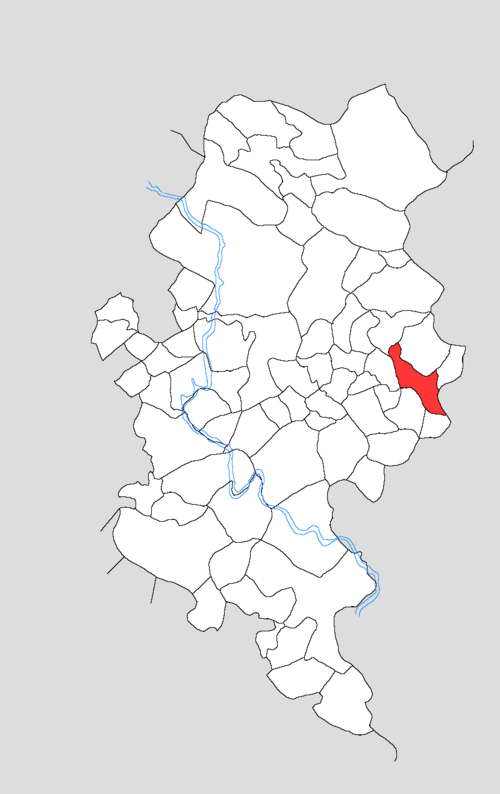
Māler Kotla is a city located in the Sangrur district of Punjab, India. Established as a town in the 18th century, it has historical significance and a rich cultural heritage. The city was founded in 1454 by the Sufi saint Sheikh Mohd. Sadiq, which set the foundation for the unique social fabric that characterizes the region. Māler Kotla is known for being the only Muslim-majority town in Punjab, marking a distinctive cultural identity in a predominantly Sikh state. This demographic feature has contributed to a harmonious coexistence of different communities, reflected in the city’s festivals, traditions, and daily life.
The economy of Māler Kotla is primarily agrarian, with agriculture serving as the backbone of the local livelihood. The fertile lands surrounding the city are conducive to the cultivation of a variety of crops, including wheat, paddy, and pulses. In addition to agriculture, small-scale industries and local markets contribute to the economic landscape. Education has also been a focus in Māler Kotla, with several schools and colleges providing opportunities for higher learning. Important religious and cultural sites, such as the historic Jama Masjid and various gurdwaras, add to the diversity and attractiveness of the city. The Lingering legacy of the city’s rich history and multicultural composition makes Māler Kotla a significant place in Punjab, embodying the spirit of unity and diversity in Indian society.
Facts about Māler Kotla
- Māler Kotla is known for being one of the only Muslim-majority towns in the Indian state of Punjab.
- The city was founded in 1454 by Sheikh Ahmad, who was a descendant of the famed Sufi saint, Shah Ghulam Ali, and is named after him.
- Māler Kotla is unique for its historical significance pertaining to the political alliances it formed during the Mughal era, particularly with the Malerkotla Sultanate.
- The town is home to the historic Jama Masjid, which is renowned for its intricate architecture and spiritual significance.
- In 2014, the city gained attention for its grassroots efforts to promote communal harmony and peace, especially in light of tensions in surrounding areas.
- Māler Kotla hosts an annual fair known as the 'Shaheedi Jor Mela' to commemorate the martyrs of the 18th century, reflecting the city’s rich cultural heritage.
- The city possesses significant historical monuments such as the Tomb of Baba Ghulam Ali, attracting visitors interested in Sufism and history.
- Māler Kotla is also distinguished by its cricket culture, producing several players who have represented India at different levels.
- The region's economy is bolstered by agriculture, and it is particularly known for its production of 'basmati' rice, contributing to the agricultural landscape of Punjab.
- Māler Kotla's unique fusion of cultures is reflected in its festivals, which are celebrated by people of various faiths, promoting a spirit of unity.