Malingao, Philippines
- 1,121,974 people
- 7.1608, 124.475
No places available for this city.
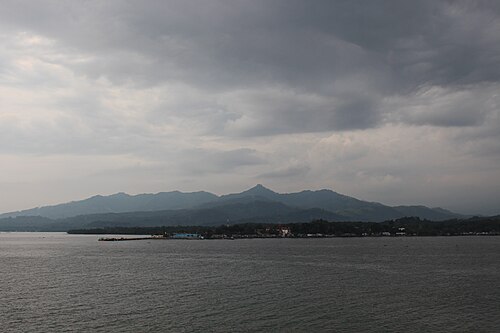
Malingao is a barangay located in the municipality of Cotabato City in the Philippines. It is situated in the central part of Mindanao, a region known for its rich cultural heritage and diverse ethnic groups. Malingao is primarily a residential area, with its community comprising a mix of Lumad (indigenous people), Moro, and Christian settlers. The barangay is characterized by its vibrant local markets, where residents engage in trade of agricultural products, handicrafts, and various goods. The economy in Malingao is predominantly based on agriculture, with rice, corn, and other crops being cultivated in the surrounding areas, alongside fishing activities life along nearby river systems.
The cultural landscape of Malingao reflects the broader traditions of Cotabato City, which is known for its rich Islamic heritage, particularly evident in the presence of mosques and Muslim cultural practices. Festivals and community events often showcase interreligious cooperation, highlighting the harmonious coexistence among different groups within the barangay. Education is a vital component of community life in Malingao, with local schools providing access to basic education for children. Although challenges such as poverty and infrastructure development persist, Malingao remains a close-knit community that upholds its cultural traditions while fostering development opportunities. Access to health services and social programs is also prevalent, aimed at improving the overall quality of life for its residents.
Facts about Malingao
- Malingao is known for its vibrant local culture, which includes unique festivals that celebrate the traditions and heritage of the indigenous peoples in the area.
- The city hosts the annual Malingao Harvest Festival, which showcases the agricultural bounty of the region and features traditional music, dance, and cuisine.
- Malingao is home to several historical landmarks, including century-old churches that reflect the city's colonial history and architectural influences.
- The city is strategically located near the lush landscapes of the Mindanao region, making it a hub for eco-tourism with stunning natural attractions nearby.
- Malingao has a rich agricultural background, producing a variety of crops, with rice being a staple and a significant part of local life.
- The Malingao River flows through the city, providing not only scenic views but also opportunities for fishing and water-related activities for locals and tourists.
- The city is recognized for its efforts in environmental conservation, with initiatives aimed at preserving its natural resources and promoting sustainable practices.
- Malingao's local cuisine features distinct dishes influenced by both indigenous and colonial cultures, offering a unique culinary experience.
- The city actively promotes local crafts and products, supporting artisans and small businesses that contribute to its economy and cultural identity.
- Malingao is a melting pot of different ethnic groups in the region, fostering a rich tapestry of languages, traditions, and cultural practices that distinguish it from other cities in the Philippines.