Mallawī, Egypt
- 212,628 people
- 2 places to visit
- 27.7359, 30.8448
Places to Visit (2)
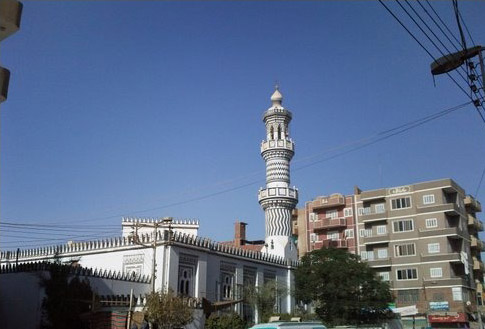
Mallawī is a city located in the Minya Governorate of Egypt, approximately 245 kilometers south of Cairo, along the western bank of the Nile River. With a population of around 120,000 people, it serves as a significant urban center within the region. The city is known for its rich agricultural surroundings, particularly the cultivation of crops such as wheat, corn, and various fruits and vegetables made feasible by the fertile lands along the Nile. Mallawī's economy is predominantly based on agriculture, but it is also home to various small-scale industries, including textile and crafts production, which contribute to the local economy.
Culturally, Mallawī is characterized by its deep-rooted history and numerous historical sites. The city is situated near ancient towns and villages, showcasing remnants of Egypt's Pharaonic and Coptic past. Notable nearby locations include ancient Ashmunein and the archaeological sites in Tuna el-Gebel, which are rich in monuments dating back to ancient Egyptian history. Despite facing challenges such as economic development and infrastructure improvements, Mallawī remains an important hub for education and trade within Minya Governorate. The city is also recognized for its vibrant community life, actively participating in cultural and social events that reflect the traditions and practices of Upper Egypt. Consequently, Mallawī plays a vital role in the cultural and economic tapestry of Egypt, merging its historical significance with contemporary development efforts.
Facts about Mallawī
- Mallawī is known for its ancient history, lying in close proximity to the archaeological site of El-Amarna, the capital of Pharaoh Akhenaten.
- The city boasts a rich agricultural heritage and is situated in a fertile region of the Nile Delta, making it a key area for farming in Egypt.
- Mallawī has a notable textile industry, particularly in the production of traditional Egyptian cotton garments and textiles.
- The area is home to several ancient churches and monasteries, reflecting the Coptic Christian heritage that is unique to this region.
- Mallawī has a vibrant local market that specializes in crafts and handcrafted goods, attracting shoppers from neighboring towns.
- In the 20th century, Mallawī was known for its role in the cotton trade, contributing to Egypt's reputation as a major cotton exporter.
- The region has witnessed several significant archaeological discoveries, which have provided insights into ancient Egyptian civilization.
- Mallawī is characterized by its unique blend of modern and traditional Egyptian culture, making it an interesting case study of urban development in Egypt.
- The local cuisine includes distinct rural dishes that are rarely found in larger cities, showcasing the culinary diversity of the region.
- In recent years, Mallawī has been involved in various community development projects focused on improving education and infrastructure.