Malolos, Philippines
- 198,748 people
- 12 places to visit
- 14.8527, 120.816
Places to Visit (12)
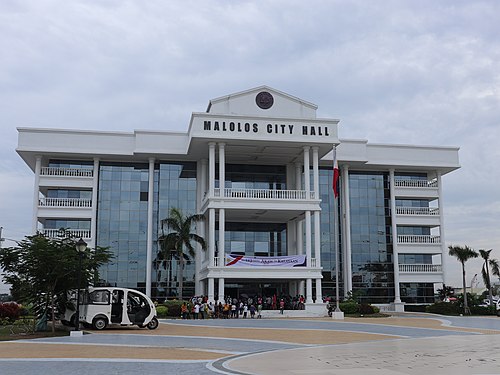
Malolos, the capital city of Bulacan province in the Philippines, is steeped in history and culture. Located approximately 50 kilometers north of Manila, Malolos plays a pivotal role in the nation's heritage. It is famously known as the birthplace of the First Philippine Republic and served as its capital from 1899 to 1901. The city was a significant site during the Philippine-American War, and the Malolos Congress convened here, leading to the drafting of the Malolos Constitution, the first republican constitution in Asia.
Malolos is characterized by its rich historical landmarks and vibrant local culture. Among its notable attractions is the Barasoain Church, a national historical landmark recognized as the "Cradle of Philippine Democracy." The church is lauded for its architecture and its role in the country’s revolutionary history. The city is also home to several heritage sites, including the Malolos Cathedral and various ancestral houses, showcasing the architectural diversity of Spanish colonial influences. In addition to its historical significance, Malolos has evolved into a bustling urban center, featuring modern amenities such as shopping malls, restaurants, and educational institutions. The area celebrates various cultural festivals, with the most prominent being the Bambang Festival, which honors the town's agricultural roots and showcases local talent through a colorful display of parades and street dancing.
Today, Malolos is not only a historical hub but also an educational center, hosting several colleges and universities. Its strategic location near Manila makes it an increasingly popular residential area, contributing to its rapid urbanization and economic growth. The city is experiencing changes that blend its rich historical past with modern development, making Malolos a unique manifestation of the Philippines' journey from colonial rule to independence. Visitors and residents alike enjoy the balance of tradition and modernity, fostering a sense of pride in the city's contributions to the national narrative.
Facts about Malolos
- Malolos is the capital city of Bulacan province and is known as the 'Historical Capital of the Philippines' due to its significant role in the country's history.
- The city is home to the Barasoain Church, which is known as the 'Cradle of the Philippine Republic' because it hosted the First Philippine Constitutional Convention in 1899.
- Malolos played a pivotal role during the Philippine Revolution against Spanish colonial rule and later during the Philippine-American War.
- The Bahay na Tisa, a historic house in Malolos, served as a meeting place for revolutionary leaders and is a symbol of the city's rich cultural heritage.
- Malolos is the birthplace of the Malolos Constitution, which was the first republican constitution in Asia, ratified on January 20, 1899.
- The city celebrates the Malolos Festival each year to commemorate its historical significance and rich culture, featuring various activities and showcases.
- Malolos is also known for its culinary heritage, particularly its famous dishes like 'Sinigang na Baka' and 'Pancit Malolos'.
- The city has modern infrastructure, including the Malolos International Airport being developed to enhance accessibility and promote tourism.
- Malolos is home to several educational institutions, including the Bulacan State University, which contributes to its reputation as an educational hub.
- The city boasts a vibrant arts scene, with various cultural events and galleries showcasing local talent, setting it apart from many other cities in the Philippines.