Managua, Nicaragua
- 973,087 people
- 13 places to visit
- 12.115, -86.2362
Places to Visit (13)
Managua, the capital and largest city of Nicaragua, is situated on the southwestern shore of Lake Managua. With a population of approximately 1.2 million residents, it serves as the political, cultural, and economic center of the country. The city, which covers an area of about 545 square kilometers, has a rich history influenced by various cultures, including indigenous tribes, Spanish colonialists, and American intervention. Managua was proclaimed the capital in 1852, following a series of natural disasters and conflicts that left the historical capital of León in disarray. The city has undergone significant changes over the years, especially after the devastating earthquake of 1972, which led to extensive damage and reconstruction efforts.
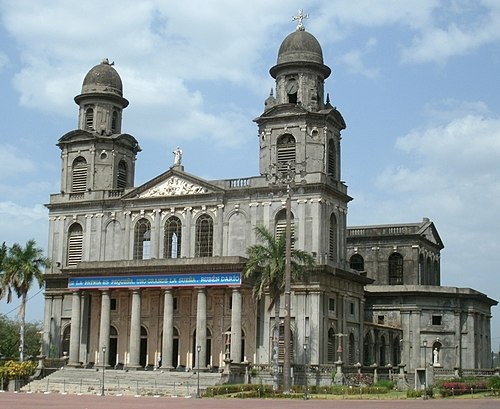
Managua features a unique blend of modern and traditional architecture. Key landmarks include the old cathedral "La Catedral de Managua," the National Palace, and the expansive Plaza de la Revolución, which commemorates the Sandinista Revolution of 1979. The city is also renowned for its vibrant cultural scene, with museums, theaters, and music festivals that celebrate Nicaraguan heritage. Additionally, Managua's economy is primarily driven by commerce, services, and manufacturing, with a growing focus on tourism due to its proximity to natural attractions like volcanoes and national parks. The city's strategic location between the Pacific Ocean and the Caribbean Sea makes it an essential hub for trade and transportation within Central America. Despite facing challenges such as poverty and urbanization, Managua continues to play a crucial role in the nation’s development and cultural identity.
Facts about Managua
- Managua is the capital and largest city of Nicaragua, distinguishing it as the political and economic center of the country.
- The city features the stunning Lake Xolotlan (Lake Managua), which is one of the largest lakes in Central America and famous for its unique ecosystem.
- Managua is home to the iconic Rubén Darío National Theatre, named after Nicaragua's famous poet, which showcases a variety of cultural events and performances.
- The city's unique layout includes diverse architectural styles, with a mix of modern buildings, colonial structures, and ruins from the 1972 earthquake.
- Managua's historic downtown features the old Cathedral of Managua, which was left in ruins after an earthquake and symbolized the city's resilience.
- The National Palace of Culture is located in Managua, serving as a museum and cultural center that highlights the nation's history and heritage.
- Managua hosts the annual International Poetry Festival, which attracts poets and writers from around the world, showcasing the city’s literary significance.
- The city is located near the active Masaya Volcano, which is one of the most accessible volcanoes in Nicaragua and popular for tourism and research.
- Managua's unique 'La Virgen de la Paz' (Virgin of Peace) monument commemorates the victims of the civil wars in Nicaragua during the late 20th century.
- The city is characterized by its vibrant street art scene, which reflects both the historical struggles and the contemporary cultural expressions of its residents.