Manchester NH, United States
- 110,229 people
- 16 places to visit
- 42.9956, -71.4548
Places to Visit (16)
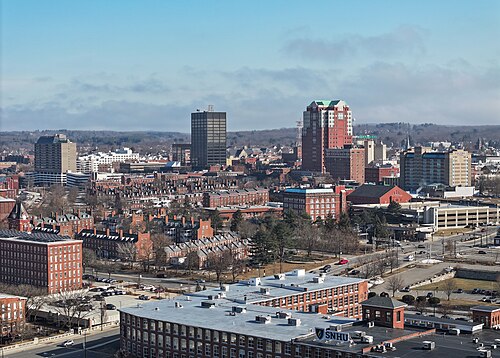
Manchester, New Hampshire, is the largest city in the state and a significant economic and cultural hub in the region. Located in the southern part of the state, along the Merrimack River, Manchester covers approximately 33 square miles and has a population of around 115,644 residents as of the 2020 Census. The city's history dates back to the early 19th century when it became a prominent center of the textile industry, primarily due to the availability of water power from the river. This industrial growth transformed Manchester into one of the leading manufacturing cities in the United States during the 19th century, with the Amoskeag Manufacturing Company being a major player in cotton textile production.
Today, Manchester has diversified its economy, shifting from traditional manufacturing to a more varied economic base that includes healthcare, education, and technology. Notable institutions such as Southern New Hampshire University and Elliot Hospital contribute to the city's educational and healthcare sectors. The city has a vibrant cultural scene, featuring attractions such as the Palace Theatre, which hosts a range of performances, and the Manchester City Library, which offers extensive resources and community programs. The city is also known for its commitment to green spaces, reflected in its numerous parks, including the large Derryfield Park, which provides recreational opportunities and picturesque views of the surrounding landscapes. Additionally, Manchester's location near Boston enhances its appeal, allowing residents and businesses to benefit from greater metropolitan access while enjoying a more affordable living environment. The city's growing population and investment in infrastructure highlight its status as a dynamic New England city with a promising future.
Facts about Manchester
- Manchester is the largest city in New Hampshire, known for its dynamic economy and vibrant culture.
- The city was named after Manchester, England, and it became a major textile manufacturing center in the 19th century, earning it the nickname 'The Queen City.'
- Home to the largest Catholic cathedral in New Hampshire, the Basilica of Saint Joseph Cathedral, which reflects the city's rich religious heritage.
- Manchester boasts the historic Millyard District, which features preserved textile mills along the Merrimack River, showcasing its industrial past.
- The city is known for hosting the annual New Hampshire Fisher Cats baseball games, a Double-A affiliate of the Toronto Blue Jays.
- It is home to the Currier Museum of Art, which features a notable collection of American and European paintings, including works by artists like Monet and O'Keeffe.
- Manchester has a reputation for its vibrant arts and music scene, with numerous galleries, theaters, and annual events like the Manchester City Arts Festival.
- The city is also known for the Manchester-Boston Regional Airport, which is one of the largest and busiest airports in the region, providing access to various destinations.
- Manchester is home to several colleges and universities, including Southern New Hampshire University, which is known for its innovative online programs.
- It features a significant historical landmark, the Amoskeag Millyard, which was once one of the largest textile manufacturing complexes in the world.