Mandaluyong City, Philippines
- 425,758 people
- 17 places to visit
- 14.5794, 121.0359
Places to Visit (17)
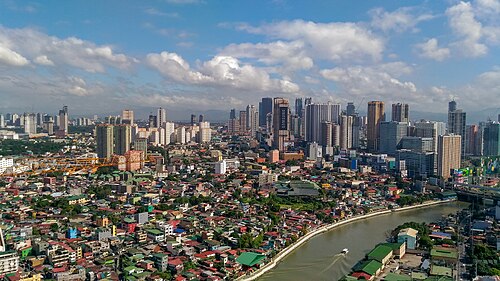
Mandaluyong City, located in the National Capital Region of the Philippines, is a highly urbanized city known for its strategic location and rapid economic development. Bordered by the cities of Makati to the west, San Juan to the north, Quezon City to the northeast, and Pasig City to the east, Mandaluyong serves as a vital transit point within Metro Manila. Its geographical position has spurred significant urbanization and growth, making it a hub for various businesses, commercial establishments, and residential developments. The city is also home to key thoroughfares, including EDSA (Epifanio de los Santos Avenue), which is one of the main highways in Metro Manila facilitating the movement of people and goods.
Mandaluyong City is characterized by a blend of modern infrastructure and historical landmarks. The city has seen substantial investment in commercial establishments, with notable shopping centers such as the Shangri-La Plaza and SM Megamall, which is one of the largest shopping malls in the Philippines. In addition to its commercial viability, Mandaluyong is known for its rich cultural heritage, with sites like the San Felipe Neri Church and the historic Jose Rizal Park. Mandaluyong's local government has prioritized improving public services and infrastructure to enhance the quality of life for its residents. Education is given importance, with various schools and universities located within the city, contributing to a well-educated populace. The city is also recognized for its efforts in environmental sustainability, implementing programs aimed at improving waste management and green spaces. Overall, Mandaluyong City exemplifies a dynamic urban environment that balances growth and sustainability, making it a significant part of the Metro Manila landscape.
Facts about Mandaluyong City
- Mandaluyong City is known as the 'Tiger City of the Philippines' due to its rapid economic growth and development over the years.
- The city is home to the Mandaluyong City Hall, which is famous for its unique architectural design, blending modern elements with traditional Filipino motifs.
- Mandaluyong City was established as a municipality in 1901 and later became a city in 1994, highlighting its significant urban development.
- The city hosts the annual Mandaluyong City Green and Clean Program, emphasizing environmental awareness and community engagement.
- Mandaluyong is part of the Metro Manila region and is strategically located, serving as a vital transit point between key areas such as Makati and Quezon City.
- The city is known for the famous Ortigas Center, which is one of the Philippines' main business districts and hosts numerous office buildings and shopping centers.
- Mandaluyong City is home to the San Felipe Neri Church, which has historical significance and architectural beauty, making it a popular spot for both locals and tourists.
- The city actively promotes sports and wellness, being the host of various sports events and home to several sports complexes, including the Mandaluyong City Sports Complex.
- Mandaluyong City is recognized for its vibrant nightlife, featuring a wide array of bars, restaurants, and entertainment venues catering to diverse tastes.
- The city has a strong emphasis on education, hosting several reputable educational institutions such as the Rizal Technological University and the Don Bosco Technical College.