Mandan ND, United States
- 21,382 people
- 19 places to visit
- 46.8267, -100.8896
Places to Visit (19)
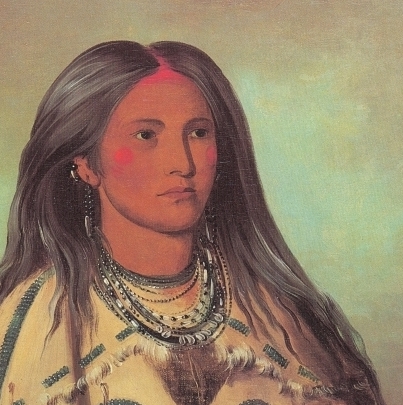
Mandan is a city located in Morton County, North Dakota, with a population of approximately 20,000 residents, making it the eighth-largest city in the state. Founded in the late 19th century, Mandan was named after the Mandan Native American tribe that inhabited the region. It is situated on the eastern bank of the Missouri River, directly across from Bismarck, the state capital, which contributes to its significance as a regional hub. The city serves as a vital economic center for agriculture, manufacturing, and transportation, with a diverse economy that benefits from its geographical location and proximity to major highways and railroads.
Mandan is rich in history and culture, often celebrated for its heritage and outdoor activities. The city boasts several historical sites, including the Mandan Heritage Center and Fort Lincoln State Park, which features the reconstructed military fort and historical sites associated with General Custer. The annual Mandan Rodeo, held each July, is a prominent event in the region, attracting visitors for its festivities that showcase the local cowboy culture. Additionally, the city is known for its parks and recreational opportunities, such as hiking, fishing, and camping along the Missouri River, which enhance the quality of life for its residents. With a commitment to community engagement and development, Mandan continues to grow while preserving its rich historical roots.
Facts about Mandan
- Mandan is home to the internationally recognized North Dakota State Railroad Museum, featuring extensive exhibits on the history of rail transport in the region.
- The city is named after the Mandan tribe, a Native American people known for their earth lodge villages and agricultural practices, which once thrived in the area.
- Mandan hosts the annual Mandan Rodeo Days, one of the oldest and largest rodeo events in North Dakota, drawing participants and spectators from across the country.
- The Lewis and Clark Expedition passed through Mandan in 1804, and today, visitors can explore the historical significance of this through the Mandan Historic Trail.
- Mandan is part of the Bismarck-Mandan metropolitan area, which is unique for its rapid growth and development compared to other rural parts of North Dakota.
- The city is near Fort Lincoln State Park, which includes the reconstructed site of Fort Lincoln, serving as a historical military installation during the 1870s.
- Mandan has a rich cultural heritage, celebrated in events like the annual Fur Trade Festival, which showcases the history and traditions of the fur trade era.
- The city is known for its vibrant arts scene, highlighted by the Mandan Art Association and various local galleries displaying works from regional artists.
- Mandan features a scenic waterfront along the Missouri River, offering recreational activities such as fishing, boating, and hiking trails.
- The city has a strong agricultural background, and it hosts the North Dakota Winter Show, a five-day agricultural trade show that emphasizes the importance of farming in the region.