Mandaue City, Philippines
- 331,320 people
- 15 places to visit
- 10.3322, 123.9355
Places to Visit (15)
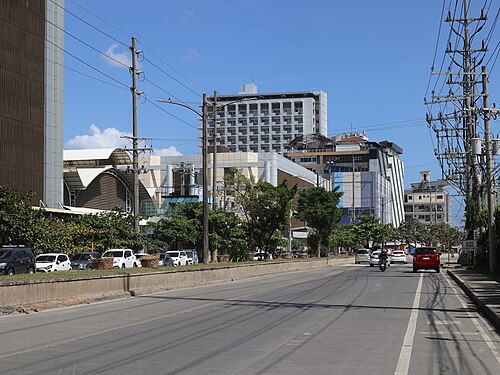
Mandaue City is a highly urbanized city situated in the province of Cebu in the Philippines. It is part of the Cebu Metropolitan area, which is one of the most densely populated and economically vibrant regions in the country. Mandaue City is bordered by Cebu City to the south, and the Mactan Channel to the east, providing a strategic location for trade and commerce. The city spans an area of approximately 36.4 square kilometers and has a population that exceeds 365,000 residents, as per the latest census. Mandaue was established as a city on June 21, 1969, but its history dates back to the Spanish colonial period, where it played a crucial role as a center for trade and agriculture.
The economy of Mandaue City is predominantly driven by manufacturing, trade, and services. The city hosts a variety of industries, including furniture-making, light manufacturing, and the business process outsourcing (BPO) sector. Notably, Mandaue is known for its high-quality furniture, with numerous factories specializing in creating both traditional and contemporary furniture designs, contributing significantly to the local and export markets. The city also features several industrial parks, like the Mandaue Chamber of Commerce and Industry, which support various businesses and entrepreneurs. In recent years, infrastructure development has accelerated, improving connectivity with neighboring cities and facilitating economic growth.
Mandaue City is also rich in cultural heritage and is home to several historical landmarks, such as the historic Mandaue City Plaza and the ruins of the Santisima Trinidad Church. The city celebrates its cultural identity through various festivals, the most notable being the Mandaue City Fiesta, which showcases local traditions, arts, and creations. Additionally, Mandaue City's strategic location makes it a gateway to tourist destinations in Cebu and nearby Mactan Island, known for its beautiful beaches and resorts. As an integral part of the Cebu metropolitan area, Mandaue City continues to thrive and evolve, making it a vital hub for business and tourism in the Philippines.
Facts about Mandaue City
- Mandaue City is known as the 'Furniture Capital of the Philippines' due to its thriving furniture industry, showcasing a blend of traditional craftsmanship and modern design.
- The city is rich in historical significance, as it was one of the first settlements established by the Spanish during their colonization of the Philippines, with its founding dating back to 1521.
- Mandaue City celebrates the annual 'Mantawi Festival' every May, a vibrant event that honors the city's rich culture, history, and heritage with street dancing and various cultural showcases.
- The city has a distinct geographic advantage, strategically located on the island of Cebu and serving as a gateway to both Cebu City and Mactan Island, making it a hub for commerce and trade.
- Mandaue City is home to the historic 'Mandaue Citadel', which was built by the Spanish in the 17th century and is recognized for its role in local defense against pirates and invaders.
- It is one of the few cities in the Philippines that has a city charter, originally granted in 1969, allowing it to establish a local government unit independent of Cebu Province.
- Mandaue has a major industrial base and is known for its manufacturing sector, contributing significantly to the economic landscape of Cebu and the central Visayas region.
- The city features the 'Mandaue-Mactan Bridge', one of the notable infrastructures enhancing connectivity between Mandaue City and Mactan Island, vital for tourism and trade.
- Mandaue City is committed to sustainable development and has initiated various programs aimed at environmental protection and urban development, distinguishing it from many other cities in the Philippines.
- A unique attraction in Mandaue City is the 'Saint Joseph the Worker Shrine', a beautiful religious site that draws tourists and locals alike to its stunning architecture and peaceful ambiance.