Manduria, Italy
- 27,411 people
- 10 places to visit
- 40.398, 17.6378
Places to Visit (10)
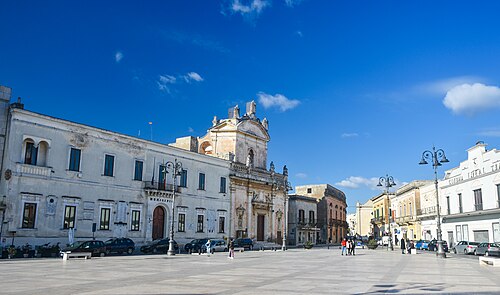
Manduria is a charming town located in the province of Taranto, in the Apulia region of southern Italy. It is situated in close proximity to the Ionian Sea, which significantly influences its climate, culture, and economy. With a history that dates back to ancient times, Manduria has roots that trace back to the Messapian civilization, whose remnants can be found in various archaeological sites around the town. The town's strategic location made it an important hub for trade and agriculture throughout history, especially during Roman times when it was known as "Mandurium." The remnants of its rich past can be seen in its historical architecture, monuments, and local traditions.
Manduria is perhaps best known for its production of wine, particularly the robust and flavorful Primitivo di Manduria, a red wine that has gained international acclaim. This wine is crafted from grapes grown in the surrounding countryside, characterized by its fertile soil and favorable climate conditions, which provide an ideal environment for viticulture. Visitors to Manduria can explore numerous vineyards, participate in wine tasting tours, and learn about the winemaking process. In addition to wine, the region is also famous for its olive oil production, contributing to the robust culinary culture of the area. The town is home to several traditional festivals celebrating local food, wine, and culture, further solidifying its identity as a center of Apulian heritage.
Moreover, Manduria is notable for its unique architectural features, including ancient churches, the remnants of defensive walls, and traditional "trullo" buildings, which are unique to the region. The town’s historic center is characterized by narrow streets, palaces, and quaint squares that invite exploration. Key landmarks include the Church of Santa Maria di Costantinopoli, which showcases baroque architecture, and the ruins of the ancient Messapian city walls. The surrounding natural beauty, with its sandy beaches and coastal reserves, enhances Manduria's appeal as a tourist destination. Together, Manduria's rich history, thriving wine culture, and picturesque scenery make it an enchanting place to visit in southern Italy.
Facts about Manduria
- Manduria is renowned for its ancient wine tradition, particularly for producing the rich red wine known as Primitivo di Manduria, which has gained international recognition.
- The city is home to the 'Messapians’ archaeological sites, showcasing remnants from the ancient Messapian civilization, which flourished in this area from the 9th to the 3rd century BC.
- Manduria boasts a unique and historical relationship with the production of 'puccia,' a traditional Apulian bread often filled with various ingredients, which is integral to local cuisine.
- The city is famous for the 'Specchia' or 'Masseria', which are historical rural estates with distinct architecture that serve as symbols of its agricultural heritage.
- Manduria celebrates the 'Festa di San Biagio' every February 3rd, where locals participate in a unique ritual of blessing throat candles to protect against ailments, showcasing local religious customs.
- It is known for its distinctive Troglodyte dwellings, caves that were historically used for living and storing food, offering visitors a glimpse into the unique architecture and lifestyle of the region.
- Manduria has its own historical center, characterized by narrow streets, Baroque churches, and ancient city walls, which differentiates it from other urban areas in Italy.
- The city has a notable Jewish history, with remnants of a Jewish community that existed in Manduria during the Middle Ages, adding to its diverse cultural heritage.
- Located near the Ionian Sea, Manduria features beautiful coastal landscapes and access to stunning beaches, making it a unique destination for those looking to enjoy both history and nature.
- Manduria's 'Mura Messapiche' refers to ancient city walls built by the Messapians, which are still partially intact today, highlighting the town's historical significance in the region.