Manfredonia, Italy
- 56,932 people
- 14 places to visit
- 41.63, 15.9173
Places to Visit (14)
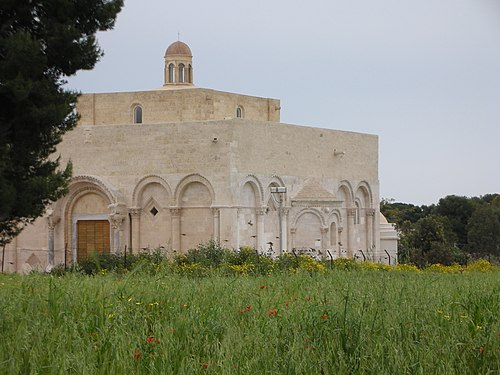
Manfredonia is a coastal town in the Apulia region of southern Italy, situated in the province of Foggia. Founded in the late 13th century by the Holy Roman Emperor Frederick II, it was originally named "Sipontum," reflecting its historical roots. The town developed around the port of the same name, which has played a significant role in its economy and trade throughout the centuries. Manfredonia is strategically located on the Adriatic Sea, making it an important maritime hub. Its proximity to the Gargano National Park enhances its appeal, serving as a gateway for tourists seeking natural beauty and outdoor activities. The town’s architecture showcases a blend of medieval and modern influences, with notable landmarks such as the Manfredonia Castle, originally built by Frederick II, and the Cathedral of Santa Maria Maggiore, which houses valuable works of art and historical artifacts.
The local economy of Manfredonia has historically been driven by fishing, agriculture, and tourism. The fertile plains surrounding the town are well-suited for agriculture, particularly olive oil production, which is a significant contributor to the local economy. In recent years, tourism has gained prominence as visitors are drawn to its scenic coastline, sandy beaches, and rich historical heritage. The annual "Festa di San Lorenzo," celebrated in August, attracts both locals and tourists, emphasizing the town's cultural traditions and religious significance. Moreover, the area's archaeological sites, including ruins from the Roman era and evidence of ancient Greek settlements, contribute to its historical importance, enriching the visitor experience.
Despite its intriguing history and scenic beauty, Manfredonia faces challenges such as economic fluctuations and environmental concerns related to coastal erosion. However, the town's resilience is evident in continuous efforts to promote sustainable tourism and preserve its cultural sites. The local government has initiated various projects aimed at revitalizing the old town and improving infrastructure, ensuring that Manfredonia remains a vibrant center for both residents and visitors alike. With its combination of history, natural beauty, and cultural heritage, Manfredonia stands as a noteworthy destination in Italy's diverse landscape.
Facts about Manfredonia
- Manfredonia is known for its historical significance, as it was founded in 1256 by Manfred VI of Sicily, who named it after himself.
- The city is home to the Castle of Frederick II, built in the 13th century, which showcases the architectural style of the Swabian Normans.
- Manfredonia sits on the Gulf of Manfredonia along the Adriatic Sea, making it a popular destination for beach tourism in the Apulia region.
- The city is notable for its production of high-quality olive oil and viticulture, contributing to the culinary culture of the region.
- The annual 'Sagra del Pesce' (Fish Festival) celebrates the local fishing heritage and includes traditional dishes, attracting tourists and locals alike.
- Manfredonia has significant archaeological sites, including the ancient ruins of Siponto, which date back to the Roman era.
- The Cathedral of Santa Maria Maggiore, located in the city's center, features a stunning Baroque facade and important religious artworks.
- Manfredonia is a gateway to the Gargano National Park, known for its lush forests, rocky coastline, and wildlife, making it ideal for nature lovers.
- The city has a rich tradition of folk music and dance, with events such as the Festa di San Lorenzo celebrating local customs.
- Manfredonia is unique in its blend of historical influences, with elements from Greek, Roman, Norman, and Byzantine cultures visible in its architecture and heritage.