Manhattan KS, United States
- 56,308 people
- 16 places to visit
- 39.1836, -96.5717
Places to Visit (16)
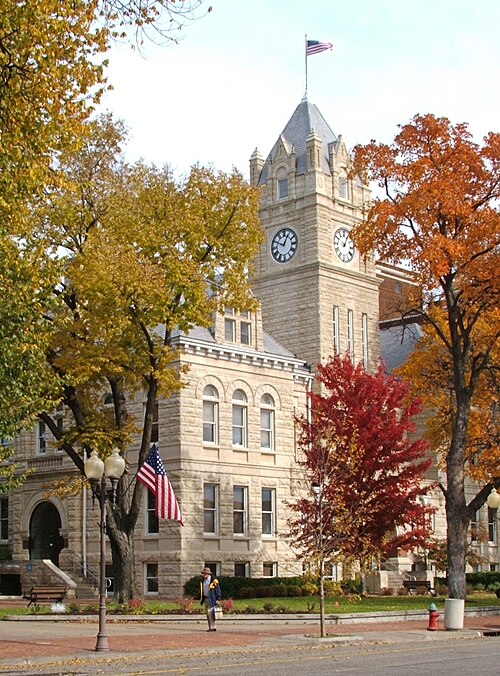
Manhattan, Kansas, often referred to as "The Little Apple," is a vibrant city located in the northeastern part of the state. As the county seat of Riley County, it lies at the junction of the Kansas River and Big Blue River. Established in 1855, it has a rich history that includes Native American heritage and post-Civil War development. Today, Manhattan is known for its friendly atmosphere, diverse community, and robust local economy, driven largely by its status as a college town, home to Kansas State University (KSU), one of the largest universities in the state. Founded in 1863, KSU plays a central role in the city’s culture and economy, contributing to its population of approximately 55,000 residents and fostering a thriving arts and education scene.
The city is characterized by its unique blend of urban and rural living, providing residents with a variety of amenities and recreational opportunities. Manhattan boasts beautiful parks, including the expansive Manhattan City Park, and numerous trails that promote outdoor activities such as hiking and biking. The city also hosts a variety of annual events and festivals, which enhance the community spirit. Manhattan features a lively downtown area with shops, restaurants, and entertainment options, encouraging both residents and visitors to engage with the local culture. Additionally, the city's strategic location near Fort Riley, a major U.S. Army post, further enriches its diversity and community dynamics. With its combination of historical significance, educational influences, and community engagement, Manhattan, Kansas, remains a charming and thriving Midwestern city.
Facts about Manhattan
- Manhattan, Kansas is home to Kansas State University, one of the major public research universities in the United States, known for its agricultural and engineering programs.
- The city is nicknamed 'The Little Apple' as a playful reference to New York City, highlighting its vibrant community and university culture.
- Manhattan is located in the Flint Hills region, which is known for its unique tallgrass prairie ecosystem, making it one of the last remaining areas of this habitat in North America.
- The town was founded in 1855 and played a significant role in the Bleeding Kansas conflict, which was a series of violent political confrontations involving anti-slavery and pro-slavery settlers.
- The Historic Downtown area features a collection of buildings listed on the National Register of Historic Places, showcasing the architectural heritage of the city.
- The annual 'Tallgrass Film Festival,' held in Manhattan, is recognized as one of the top regional film festivals in the U.S., celebrating independent filmmakers.
- Manhattan is also known for the K-State Agricultural Research and Extension, which contributes significantly to agricultural advancements and education.
- The city hosts the Manhattan Art Center, which fosters local arts, culture, and community events, distinguishing it from many cities that may lack such dedicated artistic spaces.
- Manhattan has its own community-owned hospital, Via Christi Hospital, which emphasizes the importance of local healthcare services in rural areas.
- As of 2023, Manhattan's population is around 55,000, making it one of the more populous cities in Kansas, yet it maintains a close-knit, small-town feel.